
- Home/
- Buy Clomid in Online Pharmacy – Fast Shipping to United States
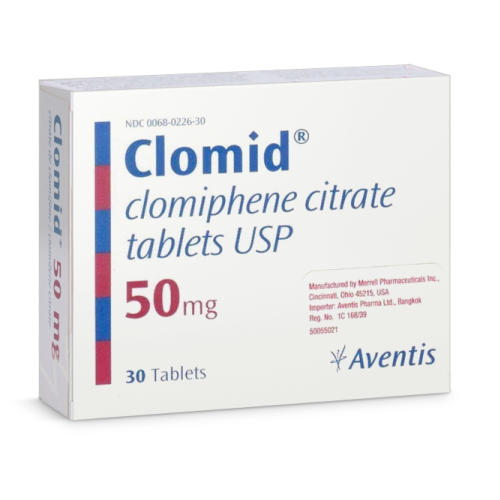
Clomid is a prescription medication for women struggling with ovulation-related infertility in the United States. Its active ingredient, clomiphene, works by stimulating the ovaries to release eggs—but what truly matters is understanding how treatment fits your life, your hopes, and your choices. Before diving in, know this: Clomid is often the first fertility drug your doctor will offer, but it’s not a magic fix—and knowing the realities behind the reputation is your best first step.
Clomid: First Choice, or Just Famous?
Imagine sitting across from your doctor, the word “infertility” hanging in the air between you. The conversation turns to medications, and Clomid is the first name you hear. It’s been prescribed to millions of women in the United States since the 1960s. But is its reputation built on evidence, or simply on being first on the list?
Clomid (clomiphene) is the most commonly prescribed medication for women who are not ovulating regularly. Most patients arrive here because their cycles are unpredictable, or because polycystic ovary syndrome (PCOS) makes ovulation rare. In the U.S., guidelines from the American Society for Reproductive Medicine recommend Clomid as a standard initial treatment for ovulatory dysfunction—especially when no other major infertility factors are present.
“Some women believe Clomid guarantees pregnancy if they ovulate. In reality, ovulation is just one piece of the puzzle. Age, egg quality, and partner factors all matter. It’s critical to set expectations: Clomid increases your chances, but it doesn’t promise a baby.”
- Clomid’s appeal: Oral tablet, short course, relatively low cost, wide familiarity among OB/GYNs.
- The reality: It only works when the main problem is ovulation. If other factors are present, results may disappoint.
- Who it’s not for: Women with blocked fallopian tubes, severe male infertility, or diminished ovarian reserve.
Clomid’s reputation is grounded in decades of clinical use and success with the right patients. But it isn’t a one-size-fits-all answer. Understanding where it shines—and where it falls short—is the foundation for any smart fertility plan.
How Clomid Really Works—and Why That Matters
Clomid doesn’t add hormones to your system. Instead, it tricks your brain into thinking estrogen is low, nudging your body to release more of its own. The result: your ovaries get a stronger signal to mature and release eggs.
- Clomiphene (the active ingredient)
- Blocks estrogen’s feedback at the hypothalamus and pituitary gland. This increases FSH and LH—hormones that stimulate the ovaries.
- What makes this unique?
- Unlike injectable fertility drugs (gonadotropins), Clomid works at the brain level—not directly on the ovaries.
For patients, this distinction matters. Clomid is less likely than injectables to cause ovarian hyperstimulation syndrome (OHSS), a rare but serious side effect. It’s also easier to use—a short course of tablets, usually taken for five days early in your menstrual cycle.
What about success rates? For women with PCOS or mild ovulatory dysfunction, studies show 70-80% will ovulate with Clomid. Pregnancy rates are lower—about 20-25% per cycle, and roughly 40-50% after three to six cycles. These numbers reflect real-world experience, not just trial data. If ovulation doesn’t occur by the third cycle, your doctor will rethink the plan.
Clomid’s indirect mechanism is both its strength and its limitation. It’s gentle on the body, but not as powerful as some alternatives for those whose ovaries need more direct stimulation.
What to Expect on Your First Clomid Cycle
You pick up your prescription at a U.S. pharmacy. The instructions: one pill a day for five days, starting on cycle day 3, 4, or 5. What comes next is a week of anticipation, then—if all goes according to plan—signs of ovulation you may not have felt in months.
Clomid cycles are usually monitored, but the level of supervision varies. Some women simply track ovulation with test kits at home. Others visit their fertility specialist for ultrasounds and bloodwork. Insurance coverage in the United States can dictate what’s possible.
- Starting the medication: Take Clomid exactly as prescribed. Timing matters. Skipping days can compromise the cycle.
- Monitoring ovulation: Some women use ovulation predictor kits. Others go in for a mid-cycle ultrasound or hormone check.
- Possible symptoms: Hot flashes, mood swings, breast tenderness—often mild and temporary. Some women notice nothing at all.
- Follow-up: Your doctor may ask you to track your period, do a blood test for progesterone (to confirm ovulation), or schedule a pregnancy test.
After three to six cycles, the chances of success drop. If pregnancy hasn’t occurred, guidelines recommend reassessing—sometimes adding other medications, changing the dose, or considering alternative treatments.
Clomid vs. Other Fertility Treatments: Where Does It Fit?
The world of fertility drugs can feel like a maze. Oral tablets, injectables, natural supplements—each has its advocates and its drawbacks. For ovulatory infertility, Clomid is often where the journey begins, but it’s not the only route. Here’s how it stacks up in real U.S. practice.
| Attribute | Clomid (Clomiphene) | Letrozole (Femara) | Gonadotropin Injections |
|---|---|---|---|
| Mechanism | Estrogen receptor blocker at brain | Aromatase inhibitor (lowers estrogen) | Direct ovarian stimulation |
| Typical Use | First-line for anovulation/PCOS | Often first-line for PCOS, especially if Clomid fails | Reserved for Clomid/Letrozole failures or IVF |
| Ease of Use | Oral tablet, 5 days | Oral tablet, 5 days | Daily injections, close monitoring |
| Ovulation Rate | ~70-80% | ~60-80% | >90% |
| Pregnancy Rate (per cycle) | ~20-25% | ~20-27% | ~15-25% |
| Multiple Pregnancy Risk | 7-10% | 3-7% | 15-25% |
| Monitoring | Optional | Optional | Required |
| Common Side Effects | Hot flashes, mood changes | Fatigue, dizziness | OHSS, mood swings |
| Prescription Status (U.S.) | Rx only | Rx only | Rx only |
| Estimated Cost per Cycle* | $15–$50 (generic) | $15–$60 | $1,000–$3,000+ |
*Estimated costs reflect average U.S. pharmacy prices as of 2024 and may vary by insurance coverage.
In clinical practice, your doctor will weigh these differences against your medical profile, insurance, and priorities. While Clomid and letrozole are both viable first options, some evidence suggests letrozole may have a slight advantage in women with PCOS—but Clomid’s decades-long track record and lower cost keep it in wide use. Gonadotropins are reserved for women who do not respond to oral medications or who need more intensive interventions (e.g., IVF). Remember: what works for one patient may not work for another, and the best treatment is always individualized.
Which Side Effects Matter Most with Clomid—and When to Act
Most women tolerate Clomid without serious trouble, but a few side effects can catch you off guard. Hot flashes are the classic complaint—sometimes as intense as menopause, sometimes barely noticeable. Mood swings, headaches, and breast tenderness make up the rest of the usual cast.
- Hot flashes: Up to 1 in 2 women. Sometimes disruptive, usually fade after the course ends.
- Mood changes: Less predictable. Anxiety, irritability, and low mood are reported, especially in women who already feel stressed by infertility.
- Ovarian cysts: Clomid can occasionally cause enlarged follicles or cysts—generally harmless, but can be painful if large.
- Multiple pregnancy: Twins occur in about 7-10% of Clomid pregnancies (compared to ~1% in natural cycles). Higher-order multiples are rare, but possible.
Ovarian hyperstimulation syndrome (OHSS) is rare with Clomid, but more common with injectable fertility drugs. Symptoms to watch for: sudden weight gain, severe bloating, or shortness of breath.
Longer-term use (more than six cycles) may be linked to a small increase in ovarian tumor risk, though the data is inconclusive—and most guidelines recommend limiting use to six cycles for this and other reasons.
| Side Effect | How Common? | When to Contact Doctor |
|---|---|---|
| Hot flashes | Very common (up to 50%) | If severe or persistent |
| Mood changes | Common | If severe, persistent, or affect daily life |
| Visual disturbances | Rare (<2%) | Stop Clomid and contact doctor immediately |
| Ovarian cysts | Occasional | If pain is severe or persistent |
| Multiple pregnancy | 7-10% (twins) | During pregnancy monitoring |
| Ovarian hyperstimulation | Rare | If severe bloating, rapid weight gain, or shortness of breath occur |
Most side effects resolve within a week of finishing the course. But any new, severe, or unusual symptoms—especially vision problems or severe pain—should trigger a call to your doctor. Safety is the reason close follow-up is standard in the U.S., even for a “simple” oral medication like Clomid.
When Not to Take Clomid: The Warning Signs You Can’t Ignore
- You are already pregnant (known or suspected).
- You have liver disease or abnormal liver function tests.
- You have unexplained abnormal uterine bleeding.
- There is a known ovarian cyst not caused by PCOS.
- You have uncontrolled thyroid or adrenal disorders.
- You are allergic to clomiphene or any ingredient in Clomid.
The list above covers absolute contraindications—reasons you should not take Clomid under any circumstances. There are also situations where caution is needed. For example, if you have a history of endometrial cancer, severe mental health issues, or are at high risk for blood clots, your doctor may advise against Clomid or recommend extra monitoring.
- Liver disease: Clomiphene is processed by the liver. Impaired function can lead to dangerous accumulation.
- Abnormal bleeding: Unexplained bleeding warrants investigation before starting any fertility drug.
- Ovarian cysts: Functional cysts related to Clomid use may be monitored, but pre-existing cysts (not due to PCOS) are a red flag.
If you are unsure about your eligibility, speak directly to your fertility specialist or OB/GYN. In most cases, your doctor will confirm safety with basic bloodwork and a pelvic ultrasound before prescribing Clomid.
Getting Clomid in United States: The Practical Guide
In the U.S., Clomid is a prescription-only medication. That means you can’t legally purchase it over the counter or from an online retailer without seeing a licensed healthcare provider. Here’s what access looks like in practice:
- Consultation: Clomid is usually prescribed by OB/GYNs, reproductive endocrinologists, or family medicine physicians with experience in infertility. Telehealth may be an option in some states, but an in-person exam is often preferred for initial evaluation.
- Insurance coverage: Coverage varies widely. Some plans cover diagnostic testing and medication, others only if you meet strict criteria. Out-of-pocket costs for generic clomiphene are generally modest—often $15–$50 per cycle—but pharmacy prices fluctuate.
- Pharmacy access: All major retail pharmacies stock Clomid or its generic equivalent. If the brand is unavailable, ask about generic clomiphene citrate; they are equivalent for medical purposes.
- Refills: Most U.S. prescriptions are written for one cycle at a time, with monitoring and follow-up required before each refill. Some physicians may provide 2-3 cycles in advance if monitoring is less intensive.
- FDA (U.S. Food & Drug Administration)
- The regulatory authority responsible for approval and oversight of prescription medications like Clomid in the United States. Learn more at fda.gov.
Online pharmacies that offer Clomid without a prescription are operating outside U.S. law and may pose significant safety risks. If you see Clomid advertised online without requiring a valid prescription, beware—counterfeit medications are a growing problem in the fertility space.
Clomid FAQ: Real Questions, Real Answers
- How long does it usually take to get pregnant on Clomid?
- Most pregnancies with Clomid occur within three to six cycles. If you haven’t conceived after six cycles, guidelines recommend reevaluating your treatment plan. Your age and underlying fertility factors play a big role in your personal timeline.
- Can Clomid increase my risk of twins or higher-order multiples?
- Yes. About 7-10% of pregnancies with Clomid result in twins, which is much higher than the natural rate (about 1%). Triplets or more are rare but possible. Your doctor will discuss this risk before starting treatment.
- Is there a difference between Clomid and generic clomiphene?
- Medically, there is no significant difference in effectiveness between brand-name Clomid and generic clomiphene citrate. Both are regulated by the FDA and work the same way, though some patients may notice minor differences in inactive ingredients.
- How will my doctor monitor me during Clomid treatment?
- Monitoring can range from home ovulation predictor kits to blood tests and ultrasounds in a clinic. The approach depends on your medical history, your doctor’s protocol, and your insurance coverage. Close monitoring helps catch rare complications and optimizes your chance of pregnancy.
- What happens if I miss a dose?
- If you miss a dose, contact your doctor. Sometimes the cycle can continue, or you may need to stop and restart next month. Never double up on doses without guidance.
- Are there long-term risks to repeated Clomid use?
- Most guidelines limit Clomid to six cycles due to diminishing returns and a possible—though unproven—increased risk of ovarian tumors. If you haven’t conceived after this point, your doctor will discuss next steps.
- I’m worried about mood changes on Clomid. What should I do?
- Mood swings are a known side effect, especially in women already feeling stressed by infertility. If you notice significant changes in mood, anxiety, or depression, talk to your doctor right away. Adjusting the dose or switching medications may help.
References
- U.S. Food & Drug Administration (FDA)
- American Society for Reproductive Medicine (ASRM) – Guidelines
- Clomid (clomiphene citrate) Prescribing Information, Sanofi-Aventis, 2023
- Mayo Clinic – Clomiphene: Oral Route
- PubMed – Clomiphene citrate for ovulation induction
- ASRM – Patient Information: Clomiphene Citrate (Clomid)
- Centers for Disease Control and Prevention (CDC) – Infertility
- Practice Committee of the American Society for Reproductive Medicine. Use of clomiphene citrate in infertility, Fertility and Sterility, 2023
Recent Comments