
- Home/
- Buy Glucophage in Online Pharmacy – Fast Delivery in United States
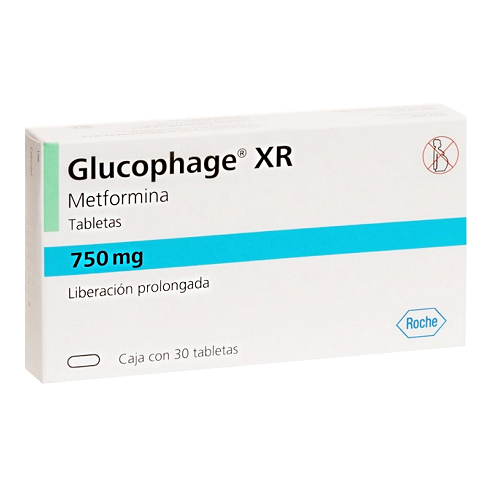
Table of Contents
- Can You Buy Glucophage Without a Prescription in the United States?
- Glucophage at a Glance: Key Facts
- How Does Glucophage (Metformin) Work in the Body?
- Expert Commentary from doctor
- What Is the Recommended Dosage and How Should Glucophage Be Taken?
- How Do Food Choices and Lifestyle Affect Glucophage?
- Who Should Not Take Glucophage? (Absolute and Relative Contraindications)
- What Side Effects Are Most Common with Glucophage?
- Common Patient Mistakes Observed by doctor
- How Does Glucophage Compare to Other Type 2 Diabetes Medications?
- Questions Frequently Asked to doctor
- Glucophage: Key Characteristics Table
- Step-by-Step: How to Obtain Glucophage Legally in the United States
- Is It Legal to Buy Glucophage Online in the United States?
- How Can I Identify Real Glucophage and Avoid Counterfeits?
- Compatibility: Glucophage with Other Products
- What to Do in Case of Glucophage Overdose?
- Is It Normal to Need Medication for Type 2 Diabetes?
- Original Glucophage vs Generics: What’s the Difference?
- How Is Glucophage Processed in the Body? (Pharmacokinetics)
- Is Glucophage Safe for Older Adults and Those with Other Health Conditions?
- What Should I Do If Glucophage Doesn’t Work for Me?
- Professional Opinion of doctor
- Frequently Asked Questions (FAQ)
- References
Can You Buy Glucophage Without a Prescription in the United States?
No, it is illegal to purchase Glucophage (metformin) without a valid prescription in the United States. The FDA classifies this medication as prescription-only due to safety monitoring and individual dosing requirements. Any online pharmacy offering Glucophage without a prescription is likely breaking the law and may be selling unsafe or counterfeit products.
Glucophage at a Glance: Key Facts
| Parameter | Details |
|---|---|
| Active Ingredient | Metformin hydrochloride |
| Prescription Status (US) | Prescription only (Rx) |
| Main Indication | Type 2 Diabetes Mellitus (first-line therapy) |
| Onset of Action | Within days; maximal glycemic effect seen after 1-2 weeks |
| Most Common Side Effect | Gastrointestinal symptoms (nausea, diarrhea) |
| Absolute Contraindication | Severe kidney impairment (eGFR <30 mL/min/1.73m2) |
| Average Price (US, 2026) | $8–25/month (generic metformin), $40–60/month (Glucophage brand) |
| Insurance Coverage | Widely covered by Medicare/Medicaid and private insurers |
How Does Glucophage (Metformin) Work in the Body?
Glucophage’s active ingredient is metformin hydrochloride, a member of the biguanide class of antidiabetic agents. Its primary mechanism is to lower blood glucose levels, chiefly by inhibiting hepatic gluconeogenesis—that is, it reduces the liver’s production of new glucose. At the molecular level, metformin activates AMP-activated protein kinase (AMPK), a key enzyme in cellular energy regulation.
By activating AMPK, metformin decreases the amount of glucose released into the bloodstream by the liver and increases the body’s sensitivity to insulin in muscle tissue. It also slows intestinal absorption of glucose, further stabilizing blood sugar levels.
Metformin does not stimulate insulin secretion. This is why the risk of hypoglycemia (dangerously low blood sugar) is much lower than with many other diabetes medications. The drug requires the presence of some endogenous insulin to work efficiently, which is why it’s not used for type 1 diabetes.
Simplified Metaphor: Imagine your body is a city. The liver is a bakery that’s constantly churning out bread (glucose). Metformin tells the bakery to slow down production and helps the city’s residents (muscle cells) use up the bread more efficiently, keeping the pantry (blood sugar levels) balanced.
Recent clinical studies, including a 2023 multicenter trial (PubMed), confirm that metformin’s effects remain consistent across diverse populations, with some variation in potency related to genetic and lifestyle factors.
Expert Commentary from doctor
As a practicing endocrinologist, I often see patients assume that metformin will normalize blood sugar overnight. In reality, it’s a subtle, cumulative medication—think of it as gently nudging your metabolism in the right direction rather than flipping a switch. A common mistake is giving up too soon because the full benefits can take up to two weeks. Also, many patients report stomach upset, but this often improves if the dose is increased gradually or taken with meals. Finally, it’s critical to remember that metformin can accumulate in the body in people with kidney problems, so regular kidney function checks are not just a formality—they’re essential for your safety.
What Is the Recommended Dosage and How Should Glucophage Be Taken?
| Formulation | Typical Starting Dose | Maximum Dose | Administration Notes |
|---|---|---|---|
| Immediate-release | 500 mg once or twice daily | 2550 mg/day (divided in 2-3 doses) | Take with meals to reduce stomach upset |
| Extended-release (XR) | 500 mg once daily (evening) | 2000 mg/day | Swallow whole; do not crush or split |
Doses are usually increased by 500 mg every 1–2 weeks, depending on tolerability and blood sugar response. Elderly patients or those with mild kidney impairment may require reduced doses and slower titration. Never exceed the maximum daily dose, as this increases the risk of serious side effects (notably lactic acidosis).
Glucophage XR (extended-release) tablets must not be split, chewed, or crushed. Swallow them whole with water. The immediate-release formulation may sometimes be split if scored, but always confirm with your pharmacist. For all patients, taking the medication with food is recommended to minimize gastrointestinal discomfort.
How Do Food Choices and Lifestyle Affect Glucophage?
- Meals: Taking Glucophage with food—especially a meal containing some fat—reduces stomach discomfort and slows glucose absorption, leading to fewer side effects.
- Fatty Foods: High-fat meals do not significantly delay absorption, but may increase gastrointestinal symptoms.
- Alcohol: Strictly limit alcohol while on metformin due to the increased risk of lactic acidosis, a rare but potentially fatal complication. The CDC and ADA recommend limiting to 1 drink/day for women, 2 for men, or less. Binge drinking is particularly dangerous.
- Grapefruit Juice: Currently, there is no evidence that grapefruit juice interacts with metformin, unlike with many other medications.
- Exercise: Regular physical activity enhances metformin’s glucose-lowering effect and is recommended as part of comprehensive diabetes management.
Bottom line: Consistency is key—try to take metformin at the same times each day, with regular meals, and avoid significant alcohol intake.
Who Should Not Take Glucophage? (Absolute and Relative Contraindications)
| Type | Condition | Rationale |
|---|---|---|
| Absolute | eGFR <30 mL/min/1.73m2 (severe renal impairment) | High risk of lactic acidosis due to accumulation |
| Absolute | Acute or chronic metabolic acidosis (incl. diabetic ketoacidosis) | May worsen acid-base imbalance |
| Absolute | Severe liver disease | Impaired lactate clearance increases lactic acidosis risk |
| Relative | eGFR 30–45 mL/min/1.73m2 | Lower starting dose and close monitoring required |
| Relative | Age >80 years | Risk of age-related renal impairment |
| Relative | Heart failure requiring oxygen or hospitalization | May increase risk of poor tissue oxygenation |
| Relative | Heavy alcohol use | Synergistic risk of lactic acidosis |
Note: Metformin is usually paused before and after contrast dye procedures (e.g., CT scans) to avoid kidney stress. Consult your doctor if you’re scheduled for imaging.
What Side Effects Are Most Common with Glucophage?
| Frequency | Side Effect | Mechanism/Explanation |
|---|---|---|
| Very common (>1 in 10) | Nausea, diarrhea, abdominal cramps | Direct effect on gut lining |
| Common (1–10%) | Metallic taste | Altered taste receptors |
| Common | Loss of appetite | Gastrointestinal slowdown |
| Rare | Lactic acidosis | Build-up of lactic acid (medical emergency) |
| Rare | Vitamin B12 deficiency (with long-term use) | Reduced absorption in the intestine |
If you experience persistent vomiting, severe diarrhea, rapid breathing, muscle pain, or confusion, seek immediate medical attention—these may signal lactic acidosis. For most, side effects improve within 1-2 weeks as the body adapts. Taking Glucophage with meals often helps.
Common Patient Mistakes Observed by doctor
- Stopping the medication after a few days due to mild stomach upset. Most gastrointestinal side effects subside with time or slower dose escalation. Solution: Inform your doctor before discontinuing; dose adjustments can help.
- Taking the tablet on an empty stomach. This increases GI side effects. Always take with or after food.
- Ignoring the need for kidney function monitoring. Metformin is eliminated via the kidneys; undetected impairment raises risk. Solution: Schedule regular lab work.
- Consuming excessive alcohol while on metformin. This can precipitate lactic acidosis. Solution: Limit alcohol as advised.
- Crushing or splitting extended-release tablets. This ruins the slow-release mechanism and may cause overdose. Solution: Swallow XR tablets whole.
- Believing metformin alone is sufficient without lifestyle changes. Diet and exercise are crucial for optimal results.
How Does Glucophage Compare to Other Type 2 Diabetes Medications?
| Medication | Onset | Duration | Most Common Side Effects | Cost (US, 2026) | Insurance Coverage |
|---|---|---|---|---|---|
| Glucophage (Metformin) | Days to weeks | 12–24 hours (per dose) | GI upset | $8–25/month (generic), $40–60/month (brand) | Widespread |
| Jardiance (Empagliflozin, SGLT2 inhibitor) | Within days | 24 hours | Urinary tract infections, increased urination | $450–550/month | Variable, often with prior authorization |
| Ozempic (Semaglutide, GLP-1 agonist) | 1–2 weeks for effect | 1 week (weekly injection) | Nausea, risk of pancreatitis | $900–1100/month | Often requires special approval |
In short: Glucophage remains the standard first-line therapy due to proven benefits, low cost, and safety for most. Alternatives may be considered for those intolerant to metformin or needing added cardiovascular benefit—with higher cost and sometimes more complex administration.
Questions Frequently Asked to doctor
- Will Glucophage cause me to have low blood sugar?
- Metformin rarely causes hypoglycemia when used alone. Low blood sugar is more likely if combined with other diabetes medicines like insulin or sulfonylureas. Always monitor for symptoms and discuss any medication combinations with your doctor.
- Can I drink alcohol while taking Glucophage?
- Small amounts of alcohol (1 drink/day for women, 2 for men) may be tolerated, but excessive drinking is risky and can trigger lactic acidosis. If you have a history of heavy alcohol use, discuss alternatives with your provider.
- What do I do if I miss a dose?
- If it’s only been a few hours, take the missed dose with food. If it’s almost time for your next dose, skip the missed one—do not double up. Routine is important, so consider setting daily reminders.
- Can I take Glucophage if I have kidney problems?
- You may be able to use it with mild to moderate impairment, but never with severe kidney disease (eGFR <30). Your doctor will monitor your labs closely and may recommend a lower dose or different therapy if your kidney function declines.
- Is Glucophage safe for older adults?
- It’s generally safe if kidney function is stable, but older adults are at higher risk for side effects. Dosing is often lower and titrated slowly.
- Do I need to stop Glucophage before surgery or X-rays?
- Yes, metformin is usually paused before procedures involving contrast dye or major surgery, then restarted once kidney function is confirmed to be normal. Your healthcare team will advise you on timing.
Glucophage: Key Characteristics Table
| Parameter | Value |
|---|---|
| Active Ingredient | Metformin hydrochloride |
| Typical Dose Range | 500–2000 mg/day |
| Formulations Available | Immediate-release, extended-release (XR) |
| Half-life (T1/2) | 6–7 hours (longer in renal impairment) |
| Main Elimination Route | Renal (kidneys) |
| Peak Effect | 2–3 hours (IR), 4–8 hours (XR) |
| Insurance Coverage | Yes, across Medicare, Medicaid, and most private plans |
| Pregnancy Category | Discuss with healthcare provider (often continued if benefits outweigh risks) |
Step-by-Step: How to Obtain Glucophage Legally in the United States
- Schedule a medical consultation with a licensed provider (in-person or via a telemedicine service). Examples: primary care, endocrinologist, or a qualified telehealth platform.
- Complete a health questionnaire detailing your medical history, current medications, allergies, and recent lab values (especially kidney function).
- Receive a personalized prescription if Glucophage is deemed appropriate for your condition.
- Fill your prescription at a local pharmacy (e.g., CVS, Walgreens, Rite Aid) or through a licensed online/mail-order pharmacy. Verify the pharmacy’s licensure using the National Association of Boards of Pharmacy (NABP).
- Follow up regularly with your provider for lab monitoring and dose adjustments.
Is It Legal to Buy Glucophage Online in the United States?
Yes, but only from a pharmacy licensed within the United States, and only with a valid prescription. The FDA strictly prohibits importation of prescription medicines without a prescription. Pharmacies accredited by the NABP (look for the “VIPPS” or “.pharmacy” seal) are considered safe.
- Purchasing from unverified overseas websites is illegal and exposes you to counterfeit, contaminated, or ineffective drugs.
- Prescriptions protect you by ensuring the medication and dose are appropriate and safe.
- Legal US pharmacies require a doctor’s prescription and will often verify your identity and insurance before dispensing.
In short: If an online site offers Glucophage without a prescription or at a suspiciously low price, it’s likely unsafe and illegal in the United States.
How Can I Identify Real Glucophage and Avoid Counterfeits?
- Packaging: Genuine Glucophage or approved generics are dispensed in sealed blister packs or bottles with tamper-evident seals. Packaging includes the FDA-approved label, lot number, and expiration date.
- Tablet Appearance: Original Glucophage tablets are usually round or oval, white, with “BMS 6060” or similar codes (for brand) or manufacturer-specific imprints for generics. If the pill looks unusually shaped, discolored, or lacks clear imprint, do not use it.
- Price Warning: An extremely low price is often a sign of counterfeit or substandard medication.
- Pharmacy Verification: Use the NABP’s pharmacy verification tool (nabp.pharmacy).
- QR Codes/Holograms: Some US manufacturers include QR codes or holograms for added security. Check the label and use your phone to scan for authentication (if available).
Myth vs Reality: Myth: Generics are inferior to the original Glucophage. Reality: FDA-approved generics are held to strict standards for bioequivalence and safety. The main differences are in cost and (occasionally) inactive ingredients.
Compatibility: Glucophage with Other Products
| Product/Drug | Can Be Combined? | Possible Consequences |
|---|---|---|
| Aspirin (low dose) | Yes | No significant interaction |
| ACE inhibitors (blood pressure meds) | Yes | May enhance blood sugar control; monitor kidney function |
| Insulin | Yes, with caution | Increased risk of hypoglycemia; monitor blood sugar |
| Alcohol (heavy use) | NO | High risk of lactic acidosis |
| Contrast dye (for imaging) | NO (temporarily) | Pause metformin before and after as advised |
| Oral corticosteroids | Yes, but monitor | May raise blood sugar, requiring dose adjustment |
What to Do in Case of Glucophage Overdose?
- Stop taking Glucophage immediately.
- Call 911 or emergency services without delay.
- Inform the medical team of the exact dose, time taken, and any symptoms (vomiting, rapid breathing, confusion, severe weakness).
- Bring the medication packaging to the hospital if possible.
- Follow all instructions from emergency medical professionals.
Do not attempt to treat an overdose at home. Overdose may result in lactic acidosis, which can be fatal without prompt hospital-based care.
Is It Normal to Need Medication for Type 2 Diabetes?
Absolutely. Type 2 diabetes is one of the most common chronic conditions in the United States, affecting over 37 million adults. Most people eventually require medication—sometimes in addition to lifestyle changes—to keep blood sugar under control. You are not alone. Many factors, including genetics and physiology, play a role; the need for medication is not a sign of failure.
If you feel overwhelmed or discouraged, consider talking to your healthcare team or a counselor. Sharing your concerns with loved ones can also help.
Original Glucophage vs Generics: What’s the Difference?
Glucophage is the original brand-name metformin, but FDA-approved generics (such as metformin by Teva, Mylan, or Sun Pharma) are widely available and much less expensive. Both contain the same active ingredient and undergo rigorous bioequivalence testing.
- Inactive ingredients (excipients): Can differ between brands and generics. Rarely, patients may react to a dye or filler in a specific generic.
- Effectiveness: No clinically meaningful difference between original and generic, according to FDA studies (FDA).
- Cost: Generics: $8–25/month; Brand: $40–60/month or more.
If you experience a new side effect after switching generic brands, talk to your pharmacist about returning to your previous version.
How Is Glucophage Processed in the Body? (Pharmacokinetics)
- Absorption: Primarily absorbed from the small intestine; bioavailability is about 50–60%.
- Distribution: Not significantly bound to proteins—distributes into tissues like muscle and liver.
- Metabolism: Not metabolized by the liver. This is unusual for oral medications.
- Elimination: Excreted unchanged by the kidneys via urine.
- Half-life (T1/2): 6–7 hours in healthy adults (longer in kidney impairment).
Takeaway: Since metformin is eliminated by the kidneys, dose adjustments and monitoring are crucial in patients with declining kidney function.
Is Glucophage Safe for Older Adults and Those with Other Health Conditions?
Glucophage can be appropriate for many older adults, provided kidney function is closely monitored. The dose is generally lower and titrated more slowly. In those with significant heart failure, severe liver disease, or chronic alcoholism, alternative therapies may be preferred due to the risk of lactic acidosis.
- Driving/Operating Machinery: Metformin alone rarely causes hypoglycemia, so the risk of impaired alertness is low. But if combined with other glucose-lowering agents, caution is advised.
- Fertility/Family Planning: No evidence of adverse effects on fertility. In certain situations, metformin may even be used to treat polycystic ovary syndrome (PCOS)-related infertility.
Always inform your doctor of all medical conditions and medications before starting Glucophage.
What Should I Do If Glucophage Doesn’t Work for Me?
First, make sure you are taking the medication as prescribed and following dietary and exercise recommendations. If your blood sugar remains high, your provider may adjust the dose, switch you to extended-release, or add a second medication. Never increase your dose on your own.
- Blood glucose targets are individual—ask your provider what’s realistic for you.
- If you cannot tolerate metformin’s side effects, alternatives are available.
- Some patients have genetic or metabolic reasons that make metformin less effective—your provider may order additional tests if needed.
Professional Opinion of doctor
In my clinical practice, Glucophage (metformin) remains the gold standard initial therapy for adults with type 2 diabetes—especially in those with overweight or mild kidney impairment. Its benefits, including reduction in cardiovascular risk and low incidence of hypoglycemia, generally outweigh its risks for most people. However, it is not suitable for everyone: those with advanced kidney or liver disease, or a history of significant alcohol use, need alternatives. Some patients struggle with gastrointestinal side effects, but gradual dose adjustments and taking the drug with food usually help. For highly motivated patients who can make substantial lifestyle changes, medication may eventually be reduced, but in practice, most will require Glucophage or another agent long-term to achieve stable blood sugar control. As always, treatment must be individualized.
Frequently Asked Questions (FAQ)
- Is Glucophage the same as metformin?
- Yes, Glucophage is the brand name for metformin hydrochloride, the most commonly prescribed oral diabetes medication in the United States.
- How quickly will Glucophage lower my blood sugar?
- Blood sugar may improve within a few days, but maximal effects are seen after 1–2 weeks of daily use.
- Do I need a prescription for Glucophage in the United States?
- Yes. Glucophage is only legally available in the US with a prescription from a licensed healthcare provider.
- Can Glucophage be taken long-term?
- Yes, many people use it for years. Your doctor will monitor for side effects, such as vitamin B12 deficiency or kidney changes.
- Is it safe to buy Glucophage online?
- Only from US-licensed, prescription-based pharmacies. Avoid sites that offer it without a prescription—these may be fake or unsafe.
- Does health insurance cover Glucophage?
- Most commercial and government insurance plans cover generic metformin fully or at low cost; brand-name Glucophage may cost more.
- Can I stop Glucophage if my blood sugar improves?
- Not without consulting your doctor. Blood sugar may rise again; medication is often needed long-term.
References
- U.S. Food & Drug Administration (FDA). [Homepage](https://www.fda.gov “FDA official site”) https://www.fda.gov
- American Diabetes Association. [Standards of Medical Care in Diabetes—2026]https://diabetes.org
- Mayo Clinic. [Metformin (Oral Route)]https://www.mayoclinic.org/drugs-supplements/metformin-oral-route/description/drg-20067074
- National Institutes of Health, PubMed. [Metformin—Recent Studies]https://pubmed.ncbi.nlm.nih.gov
- National Association of Boards of Pharmacy. [Pharmacy Verification]https://nabp.pharmacy
- Centers for Disease Control and Prevention. [Diabetes Basics]https://www.cdc.gov/diabetes/basics/index.html
Recent Comments