
- Home/
- Buy Priligy in Online Pharmacy for United States Customers
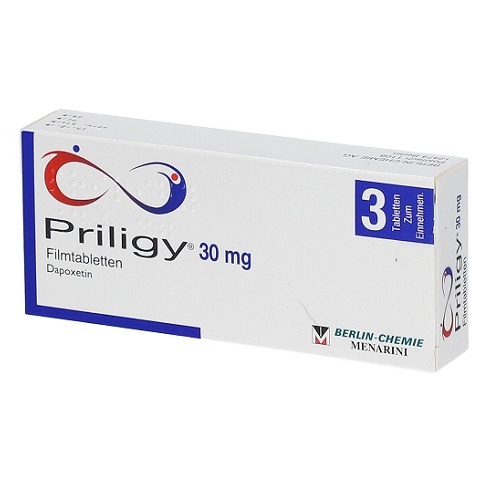
“Will Priligy Finally Let Me Take Control?” — The Real Decision Point
You’re not here by accident. Most men who find themselves searching for Priligy have already lived through years of frustration: the rushed endings, the embarrassment, the “just relax” advice that solves nothing. Maybe you’ve tried distraction techniques, pelvic floor exercises, or even numbing creams. But the clock still seems to run out too soon. What you want isn’t just a few extra minutes — it’s a sense that you’re in control, not your body.
Enter Priligy, the only FDA-reviewed oral medication designed specifically for premature ejaculation (PE). But here’s the catch that most articles gloss over: Priligy is not a cure. It’s a way to change the rules for a few hours at a time. If you’re picturing something like Viagra, or a daily antidepressant, you’re already off track. The decision to try Priligy is about matching your expectations with what the drug can realistically deliver.
What drives most men to ask about Priligy? The hope for something that works quickly, doesn’t require daily commitment, and offers a sense of reliability for planned encounters. If that’s your hope — and if your physician agrees you’re a clinical candidate — Priligy may be worth considering. But the real decision isn’t just pharmacological. It’s about whether this approach fits your goals, your comfort with side effects, and your willingness to plan ahead for intimacy.
How Priligy Works Differently — And What That Means on a Saturday Night
Dapoxetine, the active ingredient in Priligy, is a short-acting selective serotonin reuptake inhibitor (SSRI). Unlike the SSRIs prescribed daily for depression or anxiety, dapoxetine is engineered for single-use dosing. It peaks within 1–2 hours and clears from the body rapidly — the “on-demand” design is its defining trait.
Here’s the difference that matters: Traditional SSRIs like sertraline or paroxetine require daily use and weeks to take effect. They may help with PE, but they come with daily side effects, withdrawal risks, and awkward conversations with insurance or your primary care provider. Priligy, in contrast, is intended for men who want more control, less long-term commitment, and the flexibility to skip treatment when not needed.
- Mechanism: Dapoxetine increases serotonin activity in crucial parts of the brain involved in the ejaculation reflex — raising the threshold for climax.
- Onset: Typically 1–3 hours after taking a dose, so planning ahead is vital.
- Duration: Most of the effect wears off within 12 hours. You won’t be “medicated” for days.
- Washout: Low risk of build-up, making it safer for intermittent use.
On-demand use: Taking a medication only when needed — in this case, 1–3 hours before sexual activity.
Why does this matter? Because every aspect of Priligy — from side effect risk to insurance coverage to your experience during sex — depends on this fast-in, fast-out profile. If you want the ability to “opt in” on a given night, dapoxetine is almost uniquely suited. But if you’re looking for a background fix, it may disappoint.
Getting the Timing Right: How to Use Priligy for Maximum Effect
The difference between a good and a disappointing experience with Priligy often comes down to timing and technique. Take it too early, and it’s worn off before you need it. Too late, and it hasn’t kicked in. The sweet spot? Clinical guidelines [FDA] recommend 1–3 hours prior to sexual activity — but real-world patients find that 1–2 hours is the most reliable window.
Food intake doesn’t significantly affect dapoxetine absorption, but heavy meals may delay the onset slightly. Alcohol, on the other hand, can intensify some side effects, especially dizziness or fainting. Planning for intimacy? Build in a buffer — not just for the drug to take effect, but in case you need to adjust for how your body responds the first few times.
| Patient Group | Starting Dose | Maximum Dose | Timing Before Sex | Adjustments |
|---|---|---|---|---|
| Most adult men (18–64) | 30 mg | 60 mg | 1–3 hours | Increase to 60 mg if no effect after several attempts and tolerated |
| Men age 65+ | 30 mg | 60 mg | 1–3 hours | Use with extra caution; more sensitive to side effects |
| Men with significant kidney or liver problems | Not recommended | Not recommended | N/A | Discuss alternatives with your doctor |
Once you know your timing, the next step is consistency. Try at least three separate occasions before deciding whether Priligy “works” for you. The effect can vary between nights, especially if anxiety or relationship dynamics shift. And always be clear with your prescriber about other medications, supplements, or health conditions — dapoxetine’s safety profile depends heavily on what else is happening in your body.
Which Side Effects Matter Most with Priligy — and When to Act
No one wants to trade one kind of frustration for another. The good news: Most men tolerate Priligy reasonably well, especially at the lower (30 mg) dose. But the side effect profile is distinct from other SSRIs and from daily medications used for PE.
- Common (10%+): Nausea, dizziness, headache, diarrhea, insomnia.
- Occasional (1–10%): Fatigue, anxiety, irritability, sweating.
- Rare (<1%): Fainting, changes in heart rhythm, mood changes.
Most side effects are mild and short-lived, resolving as the drug leaves your system. Nausea and dizziness are the main reasons men stop using Priligy. In practice, side effects are typically more intense in the first few uses and may settle with experience — but if they’re intolerable, do not push through hoping it will improve.
| Side Effect | How Common? | When to Contact Your Doctor |
|---|---|---|
| Nausea | Very common (10–30%) | If severe, persistent, or associated with vomiting |
| Dizziness | Common (10–20%) | If you feel faint, lose consciousness, or it occurs repeatedly |
| Headache | Common (10–15%) | If severe or does not improve with over-the-counter remedies |
| Diarrhea | Occasional (1–10%) | If severe, bloody, or causing dehydration |
| Fainting (syncope) | Rare (<1%) | Immediately, seek medical attention if loss of consciousness or palpitations occur |
| Changes in mood | Rare (<1%) | If you experience depression, suicidal thoughts, or agitation |
A final word on risk: Unlike daily SSRIs, Priligy’s on/off dosing lowers the risk of sexual side effects or withdrawal, but the “peak” of side effects is sharper. Most issues resolve within a day. If you notice anything alarming, especially after combining Priligy with alcohol or other medications, reach out to your physician immediately.
Priligy vs. the Competition: When Does Dapoxetine Make Sense?
Should you reach for Priligy first, or are there better alternatives for your situation? The answer is more complex than a quick search might suggest. Dapoxetine’s unique selling point is its “on demand” dosing — but how does it actually stack up in terms of effectiveness, convenience, side effects, and access compared to other PE treatments available in the United States?
| Medication | Active Ingredient | Dosing Strategy | Onset & Duration | Effectiveness | Common Side Effects | Prescription Status (U.S.) |
|---|---|---|---|---|---|---|
| Priligy | Dapoxetine | On-demand (1–3 hrs before) | 1–3 hrs onset, 6–12 hrs duration | Time to ejaculation often doubled/tripled; effect size varies | Nausea, dizziness, headache, syncope (rare) | Prescription only; not FDA-approved for PE |
| Sertraline (off-label) | Sertraline | Daily | 1–2 weeks for effect, ongoing | Modest increase in time; effect builds over weeks | Sexual dysfunction, fatigue, mood changes | Prescription only; off-label use |
| Lidocaine/prilocaine cream | Topical anesthetics | On-demand, applied locally | 10–15 min onset, 1–2 hrs duration | Variable; reduces sensation, may affect partner | Numbness, irritation, loss of pleasure | Prescription and OTC options |
| Behavioral therapy | N/A | Regular practice | Weeks to months for benefit | Durable improvement with commitment | None | Not a medication |
What stands out? Priligy is uniquely suited for men who desire fast action without a daily pill or persistent side effects. It does not require the weeks-long ramp-up of daily SSRIs, nor does it cause the numbing (sometimes relationship-straining) loss of sensation that topical anesthetics bring. The trade-off: It must be planned, it’s not a magic bullet, and insurance coverage is variable since the FDA has not formally approved it for PE in the U.S.
Who Should Never — and Who Should Think Twice — Before Taking Priligy?
- You are also taking monoamine oxidase inhibitors (MAOIs), thioridazine, other SSRIs, SNRIs, certain antipsychotics, or strong CYP3A4 inhibitors (such as ketoconazole, ritonavir, etc.).
- You have significant heart problems (especially arrhythmia or heart failure), significant hepatic impairment, or are under 18 or over 65 without explicit specialist approval.
- You have a history of fainting or unstable blood pressure.
- You have mild to moderate liver or kidney impairment, epilepsy, mood disorders, or are on medications that affect serotonin (like triptans for migraine).
- You have a history of substance abuse, including alcohol, as combination increases risk of adverse events.
- You plan to drive or operate heavy machinery soon after dosing.
Why all these restrictions? Dapoxetine’s rapid action and effect on both serotonin and the cardiovascular system make interactions and side effects more likely if your body is already under strain or exposed to conflicting medications. The risk of serotonin syndrome, irregular heart rhythms, and severe blood pressure drops is not theoretical — it’s why U.S. physicians are often cautious about starting Priligy, especially without a comprehensive medication review.
doctor’s perspective: “In practice, I see patients eager to try Priligy, but about one in four isn’t a good candidate. Most are surprised to learn that a medication for sexual function can interact dangerously with common antidepressants or over-the-counter cold remedies. Be brutally honest with your doctor about everything you take, even if it feels irrelevant. That’s the difference between a safe trial and a scary night in the ER.”
Getting Priligy in the United States: Cost, Prescription, and Pharmacy Realities
Access to Priligy in the U.S. is more complicated than many online sources suggest. Dapoxetine is not FDA-approved for premature ejaculation, so you won’t find it on the shelf at CVS or Walgreens under that name. Some compounding pharmacies will prepare it by prescription, and a handful of online telehealth platforms do offer it after a medical assessment, but the legal landscape is evolving. Off-label use means your insurance plan is unlikely to cover it, and doctors familiar with its nuances are not universal.
- Prescription required: Priligy (or compounded dapoxetine) requires a doctor’s prescription; it is not available as an over-the-counter medication in the U.S.
- Availability: Major U.S. pharmacies rarely stock it. Most access is through specialist sexual health clinics, urologists, or compounding pharmacies.
- Cost: Expect to pay out of pocket, typically $7–$20 per pill depending on location, dose, and whether you use a branded or compounded version.
- Insurance: Coverage is rare for PE in the U.S. context. Some plans may cover alternatives (like sertraline), but not dapoxetine without special authorization.
- Telemedicine: Emerging online clinics may offer Priligy through a U.S.-licensed prescriber after a digital screening, but quality and legality vary. Avoid international sources that do not require a valid prescription.
For most men in the U.S., the process will look like this: initial physician visit, assessment for contraindications, discussion of alternatives, prescription written (often for a compounding pharmacy), and a trial period of several planned uses. Be prepared for some paperwork and for patchy insurance support — but for those who find Priligy effective, the tradeoff often feels justified.
Priligy FAQ: Real Questions from Men in the U.S.
- Is Priligy actually approved by the FDA for premature ejaculation?
- No, Priligy (dapoxetine) is not currently FDA-approved for PE in the United States. However, U.S.-licensed doctors can prescribe it “off-label” if they believe it’s appropriate. This sometimes affects insurance coverage and pharmacy availability.
- How quickly will Priligy start working after I take it?
- Most men notice an effect within 1–3 hours of taking the pill, with peak impact around 1–2 hours. Timing can be individualized based on your body and experience; it’s best to experiment (with caution) across several occasions.
- How much extra time will Priligy actually give me?
- Clinical studies show Priligy can double or sometimes triple the time to ejaculation for many men, but the average improvement is a few minutes, not hours. Results vary widely — some men see major changes, others more modest gains.
- Will Priligy affect my ability to have an erection or impact my libido?
- Dapoxetine is less likely than daily SSRIs to cause loss of libido or erectile dysfunction, especially with intermittent use. Most men do not report problems, but mild sexual side effects are possible.
- Can I take Priligy with alcohol?
- Combining Priligy with alcohol increases the risk of dizziness, fainting, and impaired judgment. If you choose to drink, keep it very minimal and be alert for side effects. Most specialists recommend avoiding alcohol when using Priligy.
- What should I do if I experience side effects like nausea or dizziness?
- Mild nausea or dizziness often passes as the drug wears off. If you feel faint, sit or lie down immediately. If symptoms are severe or you lose consciousness, contact your doctor or seek emergency help right away.
- Are there any long-term risks with occasional Priligy use?
- With intermittent use, long-term risks are low. There’s little evidence for dependency or withdrawal effects with dapoxetine. Ongoing monitoring is wise if you use it frequently, especially if you have other health issues or take multiple medications.
- Can I buy Priligy online legally in the United States?
- Only through a U.S.-licensed healthcare provider and pharmacy. Many “online pharmacies” offering Priligy without a prescription are operating illegally and may provide counterfeit or unsafe products. Always verify credentials before purchasing.
References
- U.S. Food and Drug Administration (FDA)
- Premature Ejaculation: Diagnosis and Treatment Guidelines, American Urological Association, 2020
- Priligy (dapoxetine) Prescribing Information, Official Manufacturer, 2023
- PubMed – National Library of Medicine
- Mayo Clinic
- ClinicalTrials.gov
- UpToDate – Premature Ejaculation
- SexHealthMatters.org
Recent Comments