
- Home/
- Buy Prednisolone in Online Pharmacy for United States Customers
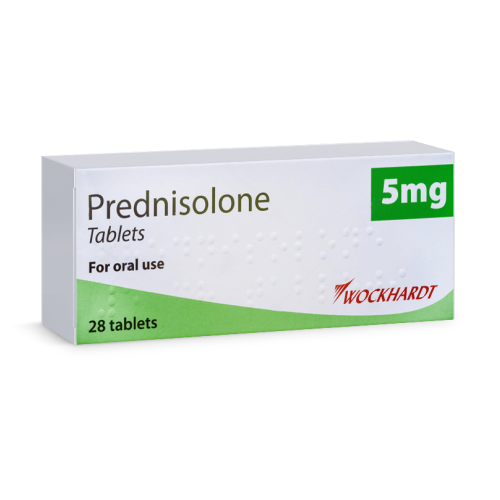
Prednisolone is a prescription medicine used in the United States to control inflammation from conditions like severe allergies, asthma, autoimmune disorders, and arthritis. It works fast, but what matters most is that its benefits and risks are both real and immediate—getting the balance right is essential. Talk to your doctor before starting, as timing, dose, and duration make all the difference with Prednisolone.
Prednisolone Realities: What Patients Expect Versus What Actually Happens
Most patients arrive with a hope: “This will make me feel better, fast.” Sometimes they’re right. Sometimes, the story is more complicated.
Prednisolone, unlike many medications for inflammation, delivers results quickly—often within hours or a few days. That relief can feel like a miracle when you’re struggling to breathe, move, or even sleep because of flare-ups. But here’s what’s often missing in expectations: every dose is a trade-off. The same power that reduces swelling, pain, and immune overactivity can also reshape how your body handles infection, blood sugar, mood, and bone health—sometimes within weeks.
Clinical snapshot: A man in his 50s with a sudden, severe asthma flare receives Prednisolone. Two days later, he’s breathing comfortably. But by week two, he notices mood swings and struggles with sleep. The trade-off is personal, immediate, and real.
Expectations need to be reframed. Relief is likely—but so is the need for close monitoring. That’s why, in the United States, Prednisolone is never sold without a prescription and, ideally, a detailed follow-up plan.
- What’s commonly misunderstood: Many patients believe that short bursts of Prednisolone carry no risk. In reality, side effects can appear even with brief courses, especially for those with certain health backgrounds.
- What’s rarely discussed: The body’s own steroid production may be suppressed. Stopping suddenly after weeks or months of use can be dangerous—something package inserts mention, but rarely explain in plain English.
Relief is real, but so are the risks. Clear expectations set the stage for safer, more effective use of Prednisolone.
Why Doctors Reach for Prednisolone in Inflammation—and When They Don’t
When inflammation spirals out of control—whether in the lungs, joints, skin, or eyes—doctors need a tool that works quickly and can be precisely tailored. That’s where Prednisolone often comes in. It’s not always the first-line choice, but when used, it’s for a reason: the situation demands speed or there’s no safer alternative at hand.
“In practice, we reach for Prednisolone when the risk of untreated inflammation outweighs its side effects. This might mean a severe asthma attack, sight-threatening eye inflammation, or a sudden autoimmune flare. But if there’s a way to control symptoms with a local treatment—a cream, inhaler, or injection—most of us prefer to minimize systemic exposure. The art is knowing when that’s not enough.”
Local treatments are preferred when possible: inhaled steroids for asthma, topical creams for skin, or joint injections for arthritis. But when symptoms break free of these boundaries, Prednisolone as a pill or liquid becomes the leverage point.
- Acute, severe flares: Prednisolone may be started immediately, even before all test results are back, to prevent lasting damage.
- When alternatives fail: Some patients simply don’t respond to NSAIDs or other immunosuppressives, or have contraindications to them.
But Prednisolone is not a maintenance drug for chronic inflammation unless absolutely necessary. The longer the use, the greater the risk—so doctors are always looking for the shortest effective course, with the lowest effective dose.
How Prednisolone Actually Works in Your Body (and Why That Matters)
Prednisolone isn’t just another anti-inflammatory—its impact is broad, deep, and fast. It enters your bloodstream, travels to every tissue, and changes how your cells respond to inflammatory signals. That’s why its effect isn’t limited to the target organ—it’s systemic, influencing everything from immune response to metabolism to even your mood.
- Prednisolone (mechanism):
- Reduces inflammation by suppressing the body’s immune response, turning down the production of inflammatory chemicals (cytokines) and blocking white blood cells that trigger swelling, redness, and pain.
But the very mechanisms that make Prednisolone effective also explain its side effects. Suppressing the immune response means infections can become harder to fight. Changing how your body handles salt, water, and glucose can lead to high blood sugar, fluid retention, or high blood pressure. That’s why monitoring isn’t optional—it’s built into the drug’s clinical DNA.
- Fast Onset: Oral Prednisolone starts working within a few hours, with peak effects in 24–48 hours for most inflammatory conditions.
- Duration: Effects linger—your body doesn’t snap back to baseline the moment the last pill is taken. This is crucial for planning tapers and follow-up.
This broad reach is why Prednisolone is powerful—and why it’s both respected and handled with caution in clinical practice.
Prednisolone Dosing: What to Expect and Why It Changes
Dosing with Prednisolone is rarely one-size-fits-all. The right amount, timing, and duration depend on your diagnosis, severity, age, weight, and even how your body has responded in the past. In the U.S., your doctor will individualize your prescription, sometimes adjusting as you go based on response and side effects.
| Condition | Common Starting Dose | Duration | Special Considerations |
|---|---|---|---|
| Acute Asthma Flare (Adult) | 40–60 mg daily (single or divided dose) | 5–10 days | No taper usually needed if duration <2 weeks |
| Rheumatoid Arthritis | 5–15 mg daily | Variable, often as a bridge | Use lowest possible dose, aim to taper |
| Allergic Reaction (Severe) | 30–60 mg daily | 3–7 days | Tapering depends on symptom resolution |
| Pediatric Use | 1–2 mg/kg/day (max 60 mg) | 5–7 days | Close monitoring for growth, behavior |
Interpretation: These are starting points, not rules. Your doctor may prescribe higher or lower doses, split dosing during the day, or an extended taper if you’ve been on steroids longer than two weeks. Children respond differently and require extra caution.
It’s not just about the number of milligrams—it’s about the plan: starting strong for control, then tapering down as quickly as possible to reduce long-term risks.
Prednisolone vs. Alternatives: When Is It the Right Choice?
Every patient with inflammation faces a crossroads: is Prednisolone the best choice, or would another medication serve them better?
| Medication | Primary Use | Onset of Action | Major Risks | Prescription Status | Monitoring Needs |
|---|---|---|---|---|---|
| Prednisolone | Severe or refractory inflammation (systemic) | Hours to 1–2 days | Immunosuppression, high blood sugar, mood changes, bone loss | Prescription only (U.S.) | Frequent if long-term |
| NSAIDs (e.g., Ibuprofen) | Mild to moderate pain/inflammation | 1–2 hours | GI bleeding, kidney issues | OTC and prescription | Baseline if chronic |
| Methotrexate | Autoimmune/chronic inflammation | Weeks | Liver toxicity, bone marrow suppression | Prescription only | Regular labs required |
| Biologics (e.g., Adalimumab) | Moderate/severe autoimmune disease | 1–8 weeks | Serious infection risk, injection reactions | Prescription only | Ongoing monitoring |
| Local Steroids (inhaled/topical) | Asthma, eczema, local arthritis | Hours to days | Minimal systemic risk | Some OTC, some prescription | Minimal if short-term |
What this means: Prednisolone is favored when the need is urgent or alternatives have failed. It’s not for everyday aches or mild inflammation—those are for NSAIDs or local treatments. When time is of the essence, or the inflammation is life- or organ-threatening, Prednisolone’s speed and potency win out.
Which Side Effects Matter Most with Prednisolone—and When to Act
Most patients worry about side effects, but not always the right ones. Some are common and uncomfortable—weight gain, facial swelling, insomnia. Others are uncommon but dangerous—serious infections, vision changes, or sudden mood shifts. Knowing which to expect and when to call your doctor makes all the difference.
- Short-term (days to weeks): Insomnia, increased appetite, mood swings, elevated blood sugar, mild fluid retention.
- Longer-term (weeks to months): Weight gain, facial rounding (“moon face”), thinning skin, easy bruising, muscle weakness, increased risk of infection, loss of bone density, elevated blood pressure, and (rarely) adrenal suppression.
- Rare but urgent: Severe psychiatric symptoms (mania, psychosis), signs of infection (fever, chills, cough), vision changes, sudden severe pain or swelling.
| Side Effect | How Common? | When to Act |
|---|---|---|
| Insomnia | Very common | If persistent or affecting daily life |
| Mood changes (anxiety, irritability) | Common | If severe, persistent, or new thoughts of harm |
| Increased blood sugar | Common (especially in diabetes) | If symptoms of high blood sugar or diabetes uncontrolled |
| Infection signs (fever, chills, cough) | Less common, but serious | Immediately—do not wait |
| Vision changes | Rare | Immediately |
| Unusual bruising or bleeding | Less common | If new or worsening |
| Severe stomach pain | Rare | Immediately |
For most patients in the United States, side effects are discussed at the pharmacy and during follow-up, but too often these conversations focus on the most visible effects—weight, sleep, appearance—while overlooking the urgent warning signs. Make sure to bring up any new or worsening symptoms, especially if they aren’t listed in your information sheet.
When Not to Take Prednisolone: Warnings and Contraindications
- Systemic Fungal Infection: Prednisolone can worsen these infections and is never prescribed in this context.
- Known Severe Allergy to Prednisolone or Its Ingredients: True allergy is rare but makes further use dangerous.
- Uncontrolled Diabetes: Prednisolone increases blood sugar. Use only with careful monitoring.
- Active Infection (other than those being treated by Prednisolone): Especially tuberculosis, Herpes simplex in the eye, or untreated bacterial infections.
- History of Severe Psychiatric Illness: Prednisolone can trigger mania, depression, or psychosis in vulnerable individuals.
- Peptic Ulcer Disease: Risk of gastrointestinal bleeding increases.
- Osteoporosis or High Fracture Risk: Long-term use can weaken bones further.
- Pregnancy and Breastfeeding: Use only when benefits clearly outweigh risks. Discuss with your physician.
Interpretation: If you have one of these conditions, Prednisolone may still be used—but only with a plan to mitigate the risks. In the United States, your physician is required to discuss these risks and document the rationale for prescribing Prednisolone in such settings.
Never start, stop, or restart Prednisolone without guidance if you have any of these risk factors. Sudden withdrawal after weeks or months of use can be life-threatening due to adrenal suppression.
Getting Prednisolone in the United States: Access, Cost, and Insurance
In the United States, Prednisolone is a prescription-only medicine. You won’t find it on the shelf at your local pharmacy—to get it, a licensed healthcare provider must decide it’s right for you and write a prescription. Both tablets and oral liquid are available, with generic forms widely used and covered by most insurance plans, including Medicare and Medicaid.
- Insurance Coverage: Prednisolone generics are usually included in the lowest co-pay tiers, making out-of-pocket costs low for most insured patients. Some plans require prior authorization for long-term or high-dose prescriptions.
- Cash Prices: Generic tablets cost a few dollars for a standard course; oral liquid can be slightly more expensive. Brand-name versions may be much pricier, but are rarely prescribed unless a generic is unavailable.
- Pharmacy Access: Any licensed retail or mail-order pharmacy can fill a Prednisolone prescription. In urgent scenarios, many U.S. hospitals and urgent care clinics dispense the first doses directly.
- Regulatory Oversight: The FDA regulates all forms of Prednisolone, with strict controls on manufacturing, quality, and labeling.
- Prior Authorization:
- A process where your doctor must explain to your insurance company why Prednisolone is necessary before coverage is approved, usually for extended or repeated courses.
What this means for you: Access is straightforward for short-term, standard dosing. Long-term or repeated use may involve extra paperwork or pharmacy coordination, but in most cases there is a low barrier to getting started.
Frequently Asked Questions about Prednisolone for Inflammation
- How quickly will I notice improvement with Prednisolone?
- Most patients feel some relief from inflammation within 24–48 hours of starting Prednisolone. In acute situations like asthma flares, improvement can be noticed within a few hours. If you see no change after three days, contact your doctor.
- Is a short course of Prednisolone safe?
- Short courses (under two weeks) are much less likely to cause serious side effects, but some—like sleep problems or mood swings—can develop quickly, especially at higher doses or in sensitive individuals.
- What should I do if I miss a dose?
- If you miss a dose, take it as soon as you remember. If it’s almost time for your next dose, skip the missed one—never double up. Notify your healthcare provider if you miss more than one dose or feel unwell.
- Can I stop Prednisolone abruptly if I feel better?
- No. If you’ve been taking Prednisolone for more than two weeks, stopping suddenly can be dangerous. Your doctor will guide you through a gradual reduction (taper) to avoid withdrawal or adrenal crisis.
- Does Prednisolone interact with other medications?
- Yes. It can interact with blood thinners, vaccines, diabetes medications, and some antifungals, among others. Always review your full medication list with your healthcare provider before starting Prednisolone.
- What foods or drinks should I avoid while taking Prednisolone?
- High-sodium foods can worsen fluid retention; sugary foods may increase blood sugar spikes. Alcohol should be limited, especially if you have liver issues or are at risk for ulcers.
- Is it safe to get vaccinated while on Prednisolone?
- Some vaccines (especially live ones) should be postponed if you’re on moderate or high doses of Prednisolone. Inactivated vaccines are generally safe, but response may be reduced. Ask your doctor before getting any immunization.
- What should I do if I start feeling anxious, depressed, or have new mental health symptoms on Prednisolone?
- Mood and behavior changes can occur, sometimes rapidly. If you notice significant anxiety, depression, agitation, or new thoughts of self-harm, contact your doctor immediately. These effects are reversible, but require prompt attention.
References
- Prednisolone Prescribing Information, U.S. Food and Drug Administration (FDA), 2023. https://www.fda.gov/
- 2023 American College of Rheumatology Guideline for the Management of Rheumatoid Arthritis, American College of Rheumatology. https://www.rheumatology.org/
- Corticosteroids—Uses, Mechanisms, and Side Effects, Mayo Clinic, 2023. https://www.mayoclinic.org/
- Inflammation Clinical Guidelines, National Institutes of Health (NIH), 2023. https://www.nih.gov/
- Prednisolone in Acute Asthma: Systematic Review, PubMed.
- Prednisolone—Professional Patient Advice, Drugs.com. https://www.drugs.com/prednisolone.html
- Corticosteroid Therapy: Mechanisms and Clinical Applications, ClinicalTrials.gov. https://www.clinicaltrials.gov/
- Prednisolone, U.S. National Library of Medicine. https://medlineplus.gov/druginfo/meds/a682795.html
Recent Comments