
- Home/
- Buy Doxycycline at Low Price in the United States Online
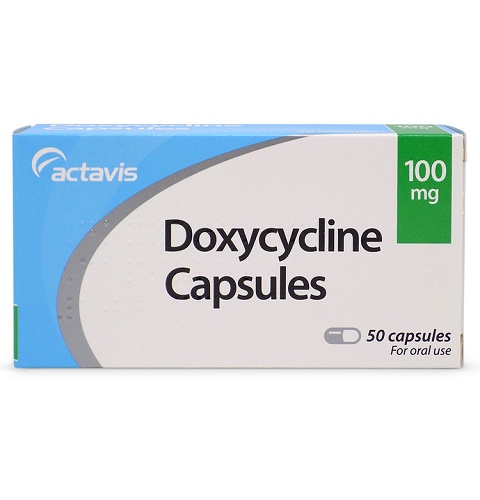
Can Doxycycline Be Obtained Without a Prescription in the United States?
Doxycycline is a prescription medication in the United States and cannot be legally obtained without a valid prescription from a licensed healthcare provider. Over-the-counter sale or purchase of Doxycycline is not permitted under FDA regulations.
Key Takeaways: What You Need to Know About Doxycycline in the United States
- Requires prescription: Doxycycline is only available in the United States with a prescription from a licensed healthcare provider.
- Used for a wide range of bacterial infections: Including respiratory, urinary tract, sexually transmitted, and skin infections, as well as certain tick-borne illnesses.
- Effectiveness depends on proper use: Take the full course even if symptoms improve early to prevent resistance and relapse.
- Not for viral infections: Doxycycline will not treat viral illnesses such as the common cold or flu.
- Potential side effects exist: The most common are gastrointestinal upset and increased sensitivity to sunlight; some rare but serious risks require immediate medical attention.
- Consult a doctor: Always seek professional medical advice before starting, stopping, or changing your antibiotic therapy.
How Does Doxycycline Work in the Body?
Doxycycline is a member of the tetracycline family of antibiotics. Its mechanism of action involves inhibiting the 30S ribosomal subunit of susceptible bacteria, thereby blocking the attachment of aminoacyl-tRNA to the mRNA-ribosome complex. This stops bacterial protein synthesis, preventing the bacteria from growing and multiplying (FDA).
Doxycycline is classified as a bacteriostatic antibiotic, meaning it arrests the growth and reproduction of bacteria rather than directly killing them. Its spectrum covers common pathogens responsible for respiratory tract infections, some sexually transmitted infections (such as Chlamydia trachomatis), skin and soft tissue infections, certain tick-borne diseases (including Lyme disease and Rocky Mountain spotted fever), and less frequently, malaria prophylaxis (CDC).
In simple terms: Doxycycline acts like a lock on the bacterial “factory.” It blocks a critical machine the bacteria need to make proteins, so the bacteria can’t make new parts and eventually stop multiplying. This gives your body’s immune system a chance to clear the infection.
Myth vs Reality:
Myth: Doxycycline instantly kills all bacteria in your body.
Reality: It halts bacterial growth and relies on your immune system to finish clearing the infection.
Patients Expect Quick Results but May Underestimate the Need for a Full Course
As a physician, I often see patients believing that antibiotics like Doxycycline work immediately and that symptoms should resolve within a day or two. It’s common for people to stop taking the medication once they start to feel better, not realizing that halting treatment early can allow the infection to return or even lead to resistant bacteria. Many individuals don’t ask about what signs of improvement to expect, or how long it takes for the antibiotic to exert its full effect. It’s also rare for patients to inquire about preventing sun sensitivity or drug interactions, which can impact both safety and efficacy. In reality, successful treatment isn’t just about the drug itself but about how patients use it, their underlying health, and sometimes patience for slower improvement in chronic or deep-seated infections.
How Should Doxycycline Be Taken for Best Results?
Doxycycline dosages are tailored to the infection being treated, the patient’s age, and specific risk factors. The most common adult starting dose is 100 mg twice daily on the first day, followed by 100 mg once daily or 50 mg twice daily for the remainder of the course. For more severe infections, 100 mg twice daily may be continued throughout. In children over 8 years and weighing more than 45 kg, adult dosing is typically used; for younger children, dosing is calculated by weight, but Doxycycline is generally not recommended in children under 8 years unless no alternatives exist due to the risk of permanent tooth discoloration (FDA).
- Maximum daily dose: Usually does not exceed 200 mg per day in most adults.
- Duration: Most infections are treated for 7-14 days; tick-borne diseases or malaria prophylaxis may require different durations.
- Splitting tablets: Do not split extended-release or coated tablets unless the label specifically allows; some generic capsules or tablets can be opened and mixed with food for those unable to swallow.
- Peak effect: Doxycycline reaches peak blood levels within 1.5–4 hours after oral administration; symptom relief may take several days.
Always follow your doctor’s instructions—do not adjust the dose yourself.
What Foods, Drinks, and Habits Affect Doxycycline Absorption?
- Dairy products: Calcium in milk, cheese, or yogurt binds to Doxycycline, reducing absorption. It is best taken on an empty stomach or at least 1-2 hours before/after dairy.
- Fatty foods: High-fat meals can delay absorption but do not significantly reduce total absorption.
- Iron and antacids: Iron supplements, multivitamins, and antacids containing aluminum, magnesium, or calcium can significantly lower Doxycycline’s effectiveness. Separate by at least 2 hours.
- Alcohol: Moderate consumption is not strictly contraindicated, but heavy or chronic alcohol use may reduce Doxycycline levels and effectiveness by inducing liver enzymes. For best results, limit or avoid alcohol during the course.
- Grapefruit juice: No clinically significant interaction, but it’s prudent to avoid high intake, as some antibiotics are affected.
Practical instruction: Swallow Doxycycline with a full glass of water while sitting or standing. Remain upright for at least 30 minutes to reduce the risk of esophageal irritation.
Who Should Not Take Doxycycline?
- Absolute contraindications:
-
- Allergy to tetracyclines: History of hypersensitivity to Doxycycline or related antibiotics.
- Pregnancy (especially second and third trimesters): Risk of fetal tooth discoloration and bone growth inhibition.
- Children under 8 years: Unless emergency situations exist with no safer alternatives, due to risk of permanent tooth staining and effects on bone development.
- Relative contraindications (use with caution or only under specialist care):
-
- Liver impairment: Doxycycline is metabolized in the liver; dose adjustments or monitoring may be necessary in patients with severe hepatic dysfunction.
- Severe renal impairment: Although less nephrotoxic than other tetracyclines, accumulation may still occur.
- Systemic lupus erythematosus (SLE): May exacerbate disease activity.
- Myasthenia gravis: Doxycycline may worsen muscle weakness.
- Drug interactions:
-
- Concurrent use with retinoids (isotretinoin, acitretin) increases intracranial pressure risk.
- May decrease effectiveness of oral contraceptives—consider backup contraception.
Important: After a recent heart attack or severe infection, Doxycycline should only be used under close medical supervision.
What Side Effects Are Most Common with Doxycycline?
Adverse effects are possible even at standard doses. Side effects are grouped by frequency:
- Very common (>1/10):
- Gastrointestinal upset (nausea, vomiting, diarrhea, abdominal pain)
- Photosensitivity (increased risk of sunburn)
- Common (1/100 to 1/10):
- Loss of appetite
- Headache
- Rash
- Vaginal yeast infections (candidiasis)
- Rare (1/10,000 to 1/1,000):
- Esophageal ulceration or irritation
- Hepatitis (liver inflammation)
- Blood disorders (thrombocytopenia, neutropenia)
- Severe allergic reactions (anaphylaxis, serum sickness)
- Very rare (<1/10,000):
- Drug-induced intracranial hypertension (pseudotumor cerebri)
- Severe skin reactions (Stevens-Johnson syndrome)
What to do if you experience side effects:
- For mild symptoms (nausea, sensitivity to sunlight): Inform your doctor and adjust timing or take with food if needed.
- For severe symptoms (difficulty breathing, severe rash, confusion, double vision): Stop taking Doxycycline and seek emergency medical care immediately.
Frequent Pitfalls When Using Doxycycline and How to Avoid Them
-
Stopping the medication early: Many patients discontinue Doxycycline as soon as they feel better, which increases the risk of relapse and antibiotic resistance.
Avoidance: Always complete the full course as prescribed, even if symptoms resolve. -
Taking with milk, calcium, or antacids: These bind to Doxycycline and reduce its absorption, making it less effective.
Avoidance: Take Doxycycline with water and separate from dairy or antacids by at least two hours. -
Skipping doses or inconsistent timing: Irregular dosing can decrease effectiveness and select for resistant bacteria.
Avoidance: Take doses at regular intervals and set reminders if needed. -
Lying down immediately after swallowing: This increases the risk of esophageal irritation or ulcers.
Avoidance: Remain upright for at least 30 minutes after taking Doxycycline. -
Ignoring sun exposure warnings: Doxycycline increases susceptibility to sunburn.
Avoidance: Use sunblock, wear protective clothing, and avoid tanning beds while on therapy. -
Not reporting side effects: Assuming GI upset or rash is “normal” and not informing the provider.
Avoidance: Report all unexpected or severe side effects to your doctor promptly.
How Does Doxycycline Compare to Other Common Antibiotics?
Doxycycline is often chosen for its broad coverage, oral dosing, and favorable side effect profile compared to older tetracyclines. However, it’s not always the first-line option for all infections.
| Antibiotic | Onset of Action | Duration of Effect | Typical Side Effects | Estimated Cost (USD/tablet) | Special Considerations |
|---|---|---|---|---|---|
| Doxycycline | 24-48 hours | 12-24 hours (dosing 1-2x/day) | GI upset, sun sensitivity | $0.30–$1.50 (generic) | Not for children under 8 or pregnancy |
| Amoxicillin | 24-48 hours | 8-12 hours (dosing 2-3x/day) | Rash, GI upset | $0.13–$0.60 (generic) | Safe in pregnancy; higher resistance in some bacteria |
| Azithromycin | 24 hours | ~24 hours (once daily) | GI upset, rare QT prolongation | $2.00–$6.00 (generic) | Shorter course (3–5 days); cardiac risk in predisposed patients |
| Levofloxacin | 24 hours | 24 hours (once daily) | Tendon rupture, CNS effects | $3.00–$8.00 (generic) | Reserved for complicated cases due to adverse effects |
Bottom line: Doxycycline is cost-effective, convenient for once or twice daily dosing, and covers specific pathogens not addressed by some alternatives, but cannot be used in certain populations.
Technical Characteristics of Doxycycline
| Parameter | Value |
| Active Ingredient | Doxycycline (as hyclate or monohydrate) |
| Common Dose Strengths | 50 mg, 75 mg, 100 mg, 150 mg |
| Formulations | Tablets, capsules, syrup, intravenous |
| Prescribing Status | Prescription only (Rx) |
| Storage | Room temperature (20-25°C/68-77°F); protect from light |
| Typical Duration of Treatment | 7–14 days (can vary) |
| Manufacturer Examples | Pfizer, Hikma, Teva, Mylan (plus generics) |
Compatibility: Doxycycline with Other Medications and Products
| Product/Drug | Can It Be Combined? | Consequences |
|---|---|---|
| Alcohol (moderate use) | Yes (with caution) | Heavy use may reduce Doxycycline levels, limit while on therapy |
| Antacids (Mg/Al-based) | NO (within 2 hrs) | Reduces absorption, avoid close timing |
| Calcium/Dairy | NO (within 2 hrs) | Decreases absorption, separate by at least 2 hours |
| Iron supplements | NO (within 2 hrs) | Binds and reduces efficacy of Doxycycline |
| Oral contraceptives | Yes (with caution) | May reduce effectiveness—use backup contraception |
| Retinoids (e.g., isotretinoin) | NO | Risk of increased intracranial pressure |
| Warfarin | Yes (monitor closely) | May potentiate anticoagulant effect—monitor INR |
| Grapefruit juice | Yes (in moderation) | No known major interaction |
Step-by-Step: How to Legally Obtain Doxycycline in the United States
- Step 1: Schedule a medical consultation with a licensed healthcare provider (physician, nurse practitioner, or through a telehealth service), either in person or via a legitimate telemedicine platform.
- Step 2: Undergo clinical evaluation for your symptoms, medical history, allergies, and possible drug interactions. Diagnostic tests may be required to confirm a bacterial infection.
- Step 3: Receive a prescription if Doxycycline is deemed appropriate based on your diagnosis and risk factors.
- Step 4: Fill your prescription at a local or accredited mail-order pharmacy. Most chain and independent pharmacies in the U.S. stock generic Doxycycline.
- Step 5: Follow up with your provider if you experience side effects, incomplete symptom resolution, or have questions about your medication.
Note: In the U.S., online pharmacies must be accredited by the National Association of Boards of Pharmacy (NABP) (look for the “.pharmacy” domain or VIPPS seal).
How to Identify Legitimate Online Pharmacies in the United States
- Check for NABP accreditation: Trusted U.S. online pharmacies are listed on the NABP website and display the .pharmacy domain or VIPPS seal.
- Always require a prescription: Licensed U.S. pharmacies will never dispense Doxycycline without one; avoidance of prescription requirements is a red flag.
- Verify business location and contact details: Legitimate pharmacies publish a physical address and a working U.S. phone number.
- Be cautious of deeply discounted prices: Extremely low prices, especially for branded drugs, may indicate counterfeit or substandard products.
- Do not purchase from sites that:
- Offer international shipping of prescription medication into the U.S. (often illegal and unsafe)
- Do not have a licensed pharmacist available for questions
- Have no way to verify prescription authenticity
- When in doubt: Use the NABP Safe.Pharmacy tool to check status and report suspicious sites.
How to Recognize Counterfeit Doxycycline and Understand Generics
- Original packaging: U.S.-approved Doxycycline (brand or generic) will have FDA-compliant labeling, including the manufacturer/distributor, lot number, NDC (National Drug Code), and expiration date.
- Tablet/capsule appearance: Color, shape, and imprint codes should match the drug information at Drugs.com imprint database or the manufacturer’s website.
- Blister packs or bottles: U.S. generics often come in amber prescription vials or sealed manufacturer bottles. Be wary of loose tablets, unusual fonts, non-English labels, or unfamiliar logos.
- QR codes/holograms: Some manufacturers provide these; scanning should link to the official product verification page.
- Price too low: Extremely low-cost offers, especially from unverified online pharmacies, are a major warning sign.
About generics: Generic Doxycycline (manufactured by companies like Teva, Mylan, Hikma) is therapeutically equivalent to the branded version (e.g., Vibramycin), meaning it contains the same active ingredient, strength, and efficacy per FDA standards. Generics may have different inactive ingredients (excipients), which in rare cases can cause allergic reactions.
Comparison: Generics are usually much less expensive than brand-name Doxycycline, with no compromise in effectiveness or safety if purchased from a reputable U.S. pharmacy.
Coping with Infection: The Role of Psychological Support
Many people feel anxiety or embarrassment about needing antibiotics or having an infection. Remember, bacterial infections are common and manageable. Do not hesitate to ask your doctor questions or to discuss your concerns with a partner or trusted individual. Psychological support and open communication with your healthcare team can ease your recovery and improve adherence to therapy.
What Happens to Doxycycline in Your Body: Metabolism and Elimination
- Absorption: Doxycycline is absorbed rapidly from the stomach and upper intestine, with peak blood levels reached in 1.5–4 hours after oral dosing.
- Bioavailability: Approximately 90–95% when taken orally, reduced if taken with certain foods or minerals.
- Metabolism: Partially metabolized in the liver; most remains unchanged.
- Elimination: Excreted through both urine (about 40%) and bile/feces (about 60%).
- Half-life: 16–22 hours in healthy adults (may be shorter with liver enzyme inducers such as chronic alcohol use).
Why it matters: Patients with severe liver disease may accumulate Doxycycline, while those with kidney failure are less affected compared to older tetracyclines.
Is Doxycycline Safe for Children, Seniors, and Special Populations?
- Children under 8: Not recommended except in life-threatening cases (e.g., Rocky Mountain spotted fever); permanent tooth discoloration and effects on bone growth are possible.
- Pregnancy: Contraindicated, especially after the first trimester. Use only if benefits outweigh risks and no alternatives are available.
- Seniors (age 65+): No dose adjustment is required in most cases, but monitor for liver and GI side effects.
- Liver disease: May require dose adjustment and monitoring.
- Kidney impairment: Safer than older tetracyclines; standard dosing is usually acceptable.
- Fertility: No known effect on fertility in men or women when used at standard therapeutic doses.
- Driving and machinery: No significant effects on alertness or coordination; some rare cases of dizziness or vision changes have been reported.
What To Do in Case of Doxycycline Overdose
- Stop taking the medication immediately.
- Call 911 or your local emergency number in the United States, especially if you experience severe symptoms (e.g., confusion, seizures, difficulty breathing).
- Inform medical personnel about the exact dose and timing of Doxycycline taken, and any other medications or substances involved.
- Do not induce vomiting unless instructed by poison control or emergency personnel.
- Bring the medication bottle or packaging to the hospital if possible.
Note: There is no specific antidote for Doxycycline overdose; treatment is supportive and may involve monitoring organ function, fluid replacement, and symptomatic care.
Quality Check: How Should Authentic Doxycycline Look?
- Packaging: U.S.-issued Doxycycline comes in sealed bottles or blister packs with clear labeling, lot number, and expiration date.
- Tablet/capsule appearance: Check the color, shape, scored lines, imprint codes, and manufacturer’s logo. These should match information from Drugs.com or the manufacturer.
- Labeling: Should include the patient’s name (or “Rx only”), dosage, instructions, and dispensing pharmacy information.
- Security features: Some brands include QR codes or holograms; verify by scanning as directed.
- If in doubt: Ask your pharmacist to confirm authenticity or contact the manufacturer’s customer support.
Questions Patients Commonly Ask Doctors About Doxycycline
- How long will it take before I feel better after starting Doxycycline?
- Most patients notice an improvement in symptoms within 48–72 hours. The exact timing depends on the infection site and severity. Always complete the full course, even if you feel better before it’s finished.
- What should I do if I accidentally miss a dose?
- Take the missed dose as soon as you remember, unless it’s almost time for your next dose. Do not double up; resume your regular schedule. Missing occasional doses reduces effectiveness, so try to set reminders.
- Can I take Doxycycline if I’m already on birth control pills?
- Doxycycline may rarely decrease the effectiveness of oral contraceptives. It’s advisable to use a backup method (e.g., condoms) during your course and for seven days after finishing the antibiotic.
- Why do I need to avoid sun exposure while on Doxycycline?
- Doxycycline increases your sensitivity to ultraviolet (UV) light, which can lead to rapid and severe sunburn. Use sunscreen, wear protective clothing, and avoid prolonged sun exposure during treatment.
- Is it safe to take Doxycycline with my other daily medications?
- Many medications are compatible, but Doxycycline interacts with certain antacids, iron supplements, retinoids, and some blood thinners. Always provide your full medication list to your physician or pharmacist for a safety check.
- I’m having mild nausea after taking Doxycycline. What can I do?
- Try taking the medication with a small snack (non-dairy) and a full glass of water. Do not lie down after dosing. If symptoms persist or worsen, contact your doctor for guidance.
- How will I know if the antibiotic is working?
- Reduction in fever, pain, redness, discharge, or other infection symptoms are good signs. If symptoms persist or worsen after several days, follow up with your doctor. Do not stop the medication without consulting your provider.
Clinical Assessment by doctor: When Doxycycline Is a Good Choice
In my clinical practice, Doxycycline is a preferred option for adults and older children with infections caused by susceptible bacteria, especially where resistance to other antibiotics is a concern, or in cases like tick-borne illnesses (Lyme disease, Rocky Mountain spotted fever), atypical pneumonia, or chlamydial infections. Patients with good adherence, without significant liver dysfunction or contraindications such as pregnancy or young age, often experience both good efficacy and tolerability. I am cautious in prescribing Doxycycline to those with existing liver disease, a history of allergies to tetracyclines, or women who are pregnant, opting for safer alternatives when possible. Reassessment is necessary if there is no improvement in 72 hours or if serious side effects arise. Ultimately, the decision to use Doxycycline hinges on the infection type, patient risk factors, and local antibiotic resistance patterns, always considering patient safety and optimal therapeutic outcomes.
Frequently Asked Questions About Doxycycline
- Is Doxycycline safe to use without a prescription in the United States?
- No, Doxycycline is available by prescription only in the United States and should not be used without healthcare provider guidance.
- How long does a typical course of Doxycycline last?
- Most infections are treated for 7–14 days, but some conditions may require shorter or longer courses as prescribed by your doctor.
- Can I drink alcohol while on Doxycycline?
- Moderate alcohol consumption is not strictly contraindicated, but it is best to limit or avoid alcohol to ensure maximum effectiveness and minimize liver strain.
- What should I do if I forget to take a dose?
- Take the missed dose as soon as possible, unless it’s nearly time for your next dose. Do not double up. Resume your usual schedule.
- Does Doxycycline interact with birth control pills?
- Doxycycline may rarely decrease the effectiveness of oral contraceptives. Use a backup method during and for seven days after your antibiotic course.
- What are the most common side effects?
- Gastrointestinal upset (nausea, diarrhea), increased sun sensitivity, and in rare cases, allergic reactions or esophageal irritation.
- Are there alternatives to Doxycycline?
- Yes, depending on your infection and health profile. Options include amoxicillin, azithromycin, or levofloxacin. Your doctor will select the best fit for your situation.
- Is generic Doxycycline as effective as the brand name?
- Yes, generics approved in the U.S. are therapeutically equivalent to brand-name products when dispensed by a legitimate pharmacy.
- How should Doxycycline be stored?
- Store at room temperature, protected from light and moisture. Do not use past the expiration date.
- What signs indicate I should stop Doxycycline and seek medical help?
- Stop immediately and seek care if you experience severe allergic reaction (hives, swelling, difficulty breathing), severe rash, persistent vomiting, confusion, or vision changes.
Sources and References
- U.S. Food and Drug Administration (FDA). Drugs@FDA: Doxycycline. Accessed June 2026. https://www.fda.gov/drugs
- Centers for Disease Control and Prevention (CDC). Doxycycline: Drug Information and Dosing. Accessed June 2026. https://www.cdc.gov
- National Institutes of Health (NIH). Doxycycline Hyclate Drug Information Portal. Accessed June 2026. https://druginfo.nlm.nih.gov/drugportal/name/doxycycline
- Mayo Clinic. Doxycycline (Oral Route) Proper Use. Accessed June 2026. https://www.mayoclinic.org/drugs-supplements/doxycycline-oral-route/proper-use/drg-20072056
- National Association of Boards of Pharmacy (NABP). Online Pharmacy Accreditation. Accessed June 2026. https://nabp.pharmacy
- PubMed. Recent studies on Doxycycline efficacy and safety. Accessed June 2026. https://pubmed.ncbi.nlm.nih.gov/
Recent Comments