
- Home/
- Buy Ventolin Inhaler in Online Pharmacy in the United States
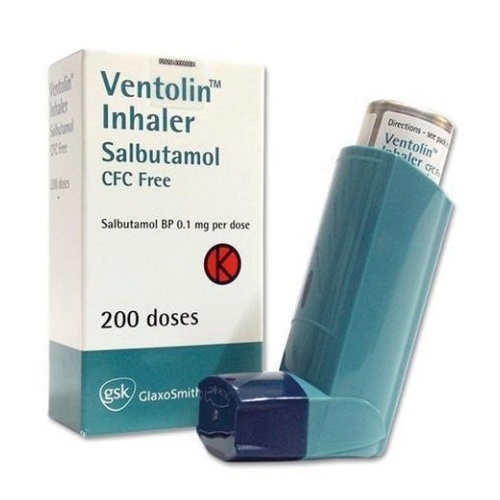
| Brand name | Ventolin Inhaler |
|---|---|
| Main therapeutic use | Relief and prevention of acute asthma symptoms |
| Primary molecule | Salbutamol (also known as albuterol in the U.S.) |
| Available strengths | 90 micrograms per actuation |
| Action onset | Typically within 5 minutes |
| Effect duration | Lasts approximately 4 to 6 hours |
| Administration schedule | As needed for symptom relief |
| Regulatory requirement in U.S. | Prescription-only, approved by the U.S. Food and Drug Administration (FDA) |
| Average retail price | $30–$65 per inhaler (uninsured) |
Ventolin Inhaler: Your Guide to Use, Choice, and Access in the United States
Ventolin Inhaler is a prescription medication widely used in the United States for the rapid relief of asthma symptoms. Containing the active substance salbutamol, it is designed to open the airways and ease breathing during asthma attacks or episodes of wheezing. If you or someone you care for is considering this inhaler, it is legally available across the U.S. through pharmacies with a valid prescription.
Asthma in the United States: Understanding the Scale and the Solution
Asthma is a chronic respiratory disease that affects millions of Americans, regardless of age or background. According to the Centers for Disease Control and Prevention (CDC), in 2021 over 25 million people in the United States were living with asthma, including approximately 5 million children. Asthma can cause unpredictable symptoms—shortness of breath, chest tightness, wheezing, or coughing—that often appear without warning. The good news: modern treatments make it possible to control these symptoms and lead a full, active life. You are not alone, and effective help is accessible.
How Ventolin Inhaler Works: Mechanism and Practical Benefits
Ventolin Inhaler uses salbutamol, a short-acting beta-2 agonist, to quickly relax the muscles lining the airways. In an asthma attack, these muscles tighten, making it hard to breathe. When inhaled, salbutamol binds to receptors in the airway muscles, causing them to relax and the airways to widen. The result: you can breathe more easily, often within minutes. For most people, the benefit is rapid—making Ventolin ideal for sudden flare-ups or as a pre-exercise preventative if recommended by your healthcare provider. The feeling is usually a noticeable relief from chest tightness or wheezing within 5 minutes; the effect lasts for several hours, helping you regain control when you need it most.
Is Ventolin Inhaler Right for You? Life Scenarios and Selection Criteria
| Situation | Is Ventolin Inhaler suitable? | Reason |
|---|---|---|
| You have intermittent asthma with occasional wheezing or breathlessness | Yes | Ventolin provides fast-acting relief when symptoms appear |
| Your doctor advised a quick-relief inhaler for exercise-induced symptoms | Yes | Ventolin can be used before activity to prevent bronchospasm |
| You require daily medication to control persistent symptoms | Ventolin is not enough alone | Long-term control usually needs an inhaled steroid or a different regimen; Ventolin is for rescue, not maintenance |
| You have a known allergy to salbutamol or components of the inhaler | No | Alternative bronchodilators or formulations are required |
| You are experiencing worsening symptoms despite repeated Ventolin use | No, as the only solution | This indicates poor control—medical reassessment is needed; over-reliance can signal serious risk |
As seen above, Ventolin Inhaler fits best for rapid, as-needed relief, not for long-term daily control. If you find yourself needing it multiple times daily, consult your provider—your management plan may need adjustment.
Using Ventolin Inhaler: Practical Steps and Real-Life Situations
- For symptom relief: Use one or two inhalations as soon as you notice asthma symptoms (wheezing, tightness, shortness of breath).
- Before exercise: If prescribed, use as directed (commonly 1–2 puffs 15–30 minutes before activity).
- How to use: Shake the inhaler, breathe out fully, seal lips around mouthpiece, press the canister while breathing in slowly, hold breath for 10 seconds, then exhale.
- If you miss a dose: Ventolin is not used on a schedule—take it only when you have symptoms or as directed for prevention. Do not double doses.
- If you overuse the inhaler: Frequent need indicates poor asthma control. Contact your doctor if you use it more than twice per week (not counting pre-exercise use).
- What’s normal: Brief, mild tremors or a rapid heartbeat can occur and usually resolve within minutes. Relief of breathing symptoms should be noticeable within 5 minutes.
- When to seek help: If symptoms do not improve after two doses, or if you experience severe breathlessness, blue lips, or difficulty speaking—call 911 or go to the emergency room immediately.
Always carry your inhaler with you and keep track of the number of doses remaining. Spacer devices can help if you have difficulty using the inhaler directly—ask your pharmacist or doctor about these options.
When Ventolin Inhaler Should Not Be Used: Understanding Contraindications
Ventolin Inhaler is contraindicated in certain situations:
- Severe allergy to salbutamol (albuterol) or any inhaler ingredient: Because exposure could trigger a dangerous allergic reaction.
- Known hypersensitivity to other short-acting beta-agonists: Alternative bronchodilators may be needed due to risk of cross-reaction.
- Uncontrolled heart conditions (e.g., arrhythmia, significant coronary artery disease): Salbutamol can increase heart rate and rarely provoke arrhythmias; use only under close medical supervision.
- Children under age 4: Most experts recommend alternative delivery devices for very young children; discuss options with a pediatric specialist.
If you have any of these conditions, discuss alternative treatments with your healthcare provider before attempting to use Ventolin Inhaler.
Possible Side Effects: Frequency, Context, and When to Take Action
- Common (may affect up to 1 in 10 users): Fine hand tremor, feeling jittery, mild palpitations, headache, slight throat irritation. These effects are usually short-lived and resolve without intervention.
- Uncommon or rare: Muscle cramps, hyperactivity (especially in children), mild nausea, cough after inhalation.
- Serious but rare: Chest pain, severe palpitations, irregular heartbeat, or allergic reaction with rash, swelling, or difficulty breathing.
If you experience worsening breathing despite using Ventolin, signs of a severe allergic reaction (swelling of lips/face, hives, difficulty breathing), or persistent chest pain, seek emergency care immediately. In the United States, the emergency number for such life-threatening situations is 911.
Drug Interactions: What to Watch For
Ventolin Inhaler can interact with certain medications. Notable examples:
- Beta-blockers (e.g., propranolol): Can blunt the effect of salbutamol and may worsen asthma symptoms.
- Other bronchodilators: Using multiple inhalers with similar mechanisms can increase side effects (tremor, heart rate).
- Diuretics: May increase the risk of low potassium levels, especially with frequent Ventolin use.
- Antidepressants (tricyclics, MAO inhibitors): May heighten cardiovascular effects, but this is uncommon when dosed appropriately.
If you take heart medications or other prescription drugs, inform your doctor before starting Ventolin Inhaler. Your pharmacist can also help screen for interactions at the time of dispensing.
Comparing Ventolin Inhaler: Alternatives, Generics, and When to Choose Another Option
Ventolin Inhaler is just one of several short-acting beta-agonist inhalers available in the United States. Others include ProAir HFA and Proventil HFA, all containing the same active ingredient (albuterol/salbutamol). These options are considered interchangeable for most patients, with minor differences in inhaler device design and taste. Some generics are also available, and performance is overseen by the FDA for equivalence.
- When Ventolin stands out: Preferred by those who tolerate its propellant or device style, or who have insurance covering Ventolin specifically.
- When an alternative is better: If you experience irritation from one brand’s propellant, try another brand. If you need long-term control of asthma, controller inhalers (steroids, combination therapies) are more appropriate—Ventolin is not a preventive or daily medicine.
- For children or those with difficulty using standard inhalers: Nebulizer solutions or inhalers with spacers may provide better delivery.
Clinical trials, such as those referenced by the National Heart, Lung, and Blood Institute (NHLBI), confirm that all FDA-approved albuterol inhalers are similarly effective when used correctly. Discuss with your provider which device matches your needs and preferences. Cost, insurance coverage, and local availability can all play a role in your selection.
Access, Price, and What to Expect when Buying Ventolin Inhaler in the United States
To purchase Ventolin Inhaler in the U.S., you need a prescription from a licensed healthcare provider. This can be obtained through a traditional in-person visit or via telemedicine services. Pharmacies—both brick-and-mortar and reputable online pharmacies—stock Ventolin and its generic equivalents. Pricing varies by pharmacy, insurance status, and region. The table below breaks down the potential costs involved in securing your medication:
| Cost item | Amount (USD) | Note |
|---|---|---|
| Doctor or telehealth consultation | $0–$150 | Varies (many insurance plans cover the visit; some clinics offer free or low-cost visits) |
| Prescription cost | $0–$25 | May be included in consultation, or separate at pharmacy |
| Ventolin Inhaler (brand) | $30–$65 | Without insurance, per inhaler; generics may be less expensive |
| Delivery (mail-order) | $0–$10 | Standard shipping; many online pharmacies offer free delivery for prescriptions |
| Total cost | $30–$250 | Depending on insurance, consultation, and delivery method |
Most insured patients pay only a small copay for Ventolin, and assistance programs are available for those without insurance. Online pharmacies in the U.S. are legally permitted to ship prescription medications after verifying your prescription. Beware of any site offering Ventolin without a prescription—this is not legal or safe practice according to U.S. FDA regulations. Counterfeiting is rare but possible with unauthorized sellers.
What Else Should You Know Before Starting Ventolin Inhaler?
Expiration and storage: Check the expiry date and store at room temperature away from direct heat. Once opened, track the number of doses and replace the inhaler as recommended.
Travel considerations: Carry your inhaler in hand luggage when flying. Bring a copy of your prescription if traveling internationally.
Insurance and savings: Many manufacturers offer discount cards or patient assistance programs. Pharmacies may match prices or offer savings plans.
Regulatory assurance: The FDA reviews and monitors the safety, effectiveness, and quality of all asthma inhalers sold in the U.S. If you have doubts about the source of your medication, confirm the pharmacy is state-licensed—this information is publicly available through your state’s Board of Pharmacy.
Sources
- Centers for Disease Control and Prevention (CDC), 2021
- U.S. Food and Drug Administration (FDA)
- National Heart, Lung, and Blood Institute (NHLBI)
Recent Comments