
- Home/
- Buy Lasix in Online Pharmacy – Fast Delivery Across United States
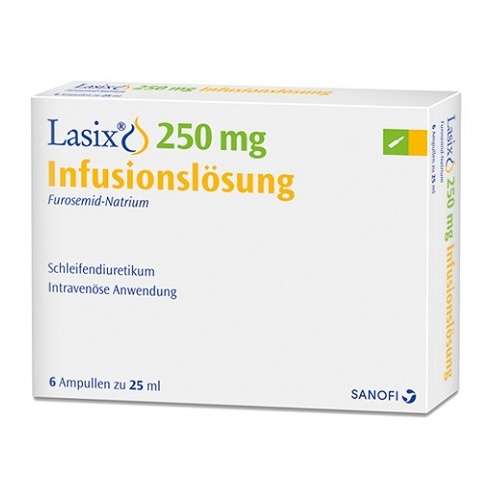
| Brand name | Lasix |
|---|---|
| Pharmaceutical agent | Furosemide |
| Primary use | Reduction of swelling (edema) from heart, liver, or kidney conditions |
| Strength variations | 20 mg, 40 mg, 80 mg oral tablets; also available as injectable solution |
| Expected time before action | Typically begins within 30–60 minutes after oral administration |
| How long effects last | Approximately 6–8 hours per dose |
| Prescription needed in U.S.? | Yes, Lasix requires a valid prescription |
| Average retail price range | $10–$40 per 30-tablet supply (varies by pharmacy and dosage strength) |
Lasix for Edema: Practical Guidance and Access in the United States
Lasix, with its active ingredient furosemide, is a prescription diuretic widely used in the United States for addressing fluid retention—or edema—linked to various medical conditions. If you or someone you care for is considering Lasix, understanding how it fits into treatment for swelling is essential. This guide addresses the realities of edema, how Lasix works, and the steps to obtain it safely and legally in the U.S.
Edema: A Common, Treatable Concern
Swelling due to fluid buildup—known medically as edema—affects millions of adults in the United States, particularly those living with heart, liver, or kidney disease. According to the Centers for Disease Control and Prevention (CDC), in 2021, congestive heart failure alone—one of the primary causes of chronic edema—impacted over 6 million Americans. Edema is not just an isolated issue; it is a frequent complication and a daily reality for many seeking better comfort and health. Recognizing its prevalence means you are far from alone, and proven, practical solutions are available.
How Lasix Alleviates Swelling: Mechanism and Patient Experience
- Physiological action: Lasix is a loop diuretic. It works on a specific part of your kidneys called the “loop of Henle,” blocking the reabsorption of sodium and chloride. This interrupts the body’s ability to hold onto excess salt and water.
- Practical effect: By increasing urine output, Lasix helps your body shed extra fluid, relieving swelling in the legs, lungs, abdomen, or other affected areas. Most people notice a need to urinate within an hour of taking a dose, and visible reduction in swelling and improved breathing may follow within hours to days, depending on the severity of fluid retention.
- Immediate and ongoing impact: The medication’s action window—about 6–8 hours—means timing can be coordinated with your daily routine to minimize disruption. The relief you feel is the result of less fluid pressing on tissues and organs, which can also ease related symptoms such as shortness of breath.
Is Lasix Right for You? Scenarios for Choosing or Avoiding It
| Situation | Is Lasix suitable? | Why / Why not? |
|---|---|---|
| You have noticeable swelling in your legs and have been diagnosed with heart failure by your doctor. | Yes | Lasix is often prescribed in this scenario because it effectively reduces fluid overload associated with heart conditions. |
| You are experiencing sudden, unexplained swelling and have not seen a healthcare provider. | No | Sudden edema may signal an acute underlying problem (such as a blood clot or severe allergic reaction) and needs medical evaluation before starting any diuretic. |
| You have chronic kidney disease and mild swelling, but your blood potassium is low. | Maybe | Lasix can be used in kidney disease, but increases the risk of further lowering potassium. Your doctor may recommend close monitoring or another approach. |
| You are seeking to lose weight quickly or reduce bloating without any diagnosed medical problem. | No | Lasix is not intended for cosmetic or weight-loss use, as it can cause serious fluid and electrolyte imbalances in otherwise healthy individuals. |
This table should clarify whether your own situation aligns with those best suited for Lasix, and when a medical consultation is essential before considering this or any similar medication.
Using Lasix in Day-to-Day Life: What to Expect and How to Manage
- When to take: Lasix is usually taken in the morning to avoid disrupting sleep with increased urination, but in divided doses if prescribed more than once daily.
- With or without food: It can be taken on an empty stomach or with meals; food does not significantly impact its effectiveness.
- If you miss a dose: Take it as soon as you remember on the same day, unless it is close to your next scheduled dose—then skip the missed dose. Do not double the next dose.
- If the medication seems ineffective: Inform your doctor promptly. Sometimes dosage adjustments or additional medications are needed, especially if weight or swelling does not improve as expected.
- What is normal: Increased urination and mild thirst are expected. Some people notice a quick drop in swelling, while for others, it is gradual over several days.
- When to contact a healthcare provider: If you develop muscle cramps, dizziness, severe thirst, confusion, or a rapid heartbeat, these may indicate electrolyte loss that needs prompt medical attention.
Always keep track of your weight and symptoms as directed—sudden changes may signal the need for a medication review. Lasix should only be stopped or changed under medical supervision, as abrupt discontinuation can worsen underlying health problems.
Who Should Not Take Lasix: Understanding Contraindications
- Severe allergy to furosemide or sulfa drugs: Because of the risk of life-threatening allergic reactions.
- Severe electrolyte depletion (very low potassium or sodium): Lasix can worsen these imbalances, increasing the risk of dangerous heart rhythm problems.
- Complete kidney shutdown (anuria): If your kidneys are not producing urine, Lasix is ineffective and may increase the risk of toxicity.
- Pregnancy and breastfeeding: Use only if clearly needed, under specialist supervision. Lasix can cross the placenta and may affect milk production.
These contraindications are not always permanent; your doctor will assess if and when Lasix can be safely restarted or replaced.
Possible Side Effects: What’s Common, What’s Rare, and What’s Serious
- Frequent and usually mild: Increased urination, mild dehydration, headache, or dizziness. These generally resolve as your body adjusts or with dose changes.
- Occasional and potentially significant: Muscle cramps, irregular heartbeat, or signs of low potassium. Contact your doctor if these occur, as lab monitoring may be needed.
- Rare but urgent: Hearing loss (with high doses or rapid injection), severe skin rash, or confusion. If you experience fainting, trouble breathing, or signs of severe allergic reaction (swelling of face or throat), seek emergency help immediately. In the United States, dial 911 for urgent medical assistance in such situations.
Overdose symptoms can include extreme thirst, weakness, confusion, or rapid/irregular heartbeat. If overdose is suspected, emergency medical attention is critical.
Medication Interactions: What to Watch For
- Blood pressure medications: Lasix can lower blood pressure further, increasing risk of dizziness or fainting. Dose adjustments may be needed.
- Other diuretics: Combining with other water pills increases risk of dehydration and low electrolytes, so is done only under strict supervision.
- Anti-inflammatories (NSAIDs): Drugs like ibuprofen can blunt the effect of Lasix and worsen kidney function, especially if taken long-term.
- Digoxin and lithium: Lasix can raise blood levels of these drugs, risking toxicity. Monitoring and possible dose changes are required.
Always inform your healthcare provider about all medications, supplements, and over-the-counter remedies you use, to prevent harmful interactions.
How Does Lasix Compare? Alternatives and Limitations
| Medication | Type | When Preferred | Main Limitation |
|---|---|---|---|
| Lasix (Furosemide) | Loop diuretic | Rapid removal of moderate-to-severe edema; heart failure, kidney, or liver disease | Can cause low potassium, requires medical monitoring |
| Hydrochlorothiazide | Thiazide diuretic | Mild to moderate swelling, especially with high blood pressure | Less potent for severe edema, slower onset |
| Spironolactone | POTASSIUM-SPARING DIURETIC | Edema with low potassium, certain hormonal imbalances | Slower effect, risk of high potassium in some people |
| Tolvaptan (specialist use) | Vasopressin antagonist | Specific types of fluid overload (e.g. low sodium, certain kidney/liver diseases) | Expensive, specialist monitoring needed |
Lasix remains the diuretic of choice for many with significant fluid overload due to its proven effectiveness and rapid onset. However, for mild swelling or special cases (such as low potassium risk), alternatives may be preferred. Your doctor will recommend the best match based on your overall health, lab results, and treatment goals.
How to Obtain Lasix in the United States: Costs, Prescriptions, and Delivery Options
| Expense type | Cost (USD) | Details |
|---|---|---|
| Doctor consultation (in person or telehealth) | $80–$200 | Required for prescription; telemedicine often on the lower end |
| Prescription fee (if not covered) | $0–$15 | Some clinics charge a nominal fee; often included in visit |
| Lasix medication (30 tablets, 40 mg) | $10–$40 | Generic furosemide is widely available; price varies by pharmacy |
| Delivery (mail-order pharmacy) | $0–$12 | Many insurance plans offer free standard shipping |
| Total estimated cost | $90–$267 | Initial month, with telehealth and generic option |
Lasix is strictly regulated by the U.S. Food and Drug Administration (FDA): a prescription is legally required. Most U.S. community and mail-order pharmacies stock both branded Lasix and generic furosemide. While some online platforms offer medications “without prescription,” this practice is not compliant with U.S. law and carries risks of counterfeit or substandard products. Always confirm that the pharmacy is licensed and, if unsure, verify with your state board of pharmacy.
- What you receive: Usually a bottle of 30 or 90 tablets, clearly labeled, with dosing instructions; mail-order services provide discreet packaging and shipment tracking.
- Insurance: Most U.S. health insurance plans cover generic furosemide, reducing out-of-pocket costs. Cash prices are still affordable for most patients.
Final Clarifications: What If I Have Unique Medical Needs or Outstanding Doubts?
If you have multiple chronic illnesses, take complex medication regimens, or have experienced side effects with other diuretics, a personalized plan may be needed. U.S. physicians often coordinate with cardiologists or nephrologists to tailor diuretic therapy—sometimes combining medications or changing doses based on lab results and your symptoms. Do not hesitate to ask your care team about monitoring plans or alternatives if you have concerns.
For those in rural or underserved areas, telemedicine options can connect you to licensed prescribers who can review your health status and issue prescriptions online. Patients with low income may be eligible for pharmacy assistance programs—your healthcare provider or local pharmacist can guide you.
Lasix, when prescribed and monitored appropriately, is a powerful and established tool in managing edema. Honest communication with your healthcare team is the surest path to safe, effective, and affordable relief.
Recent Comments