
- Home/
- Buy Propecia Without Prescription in United States Online
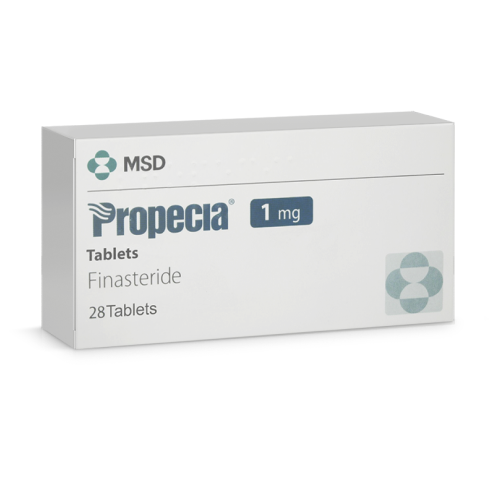
Can Propecia Be Obtained Without a Prescription in the United States?
Propecia (finasteride) is a prescription-only medication in the United States. You cannot legally obtain Propecia without a valid prescription from a licensed healthcare provider. Over-the-counter sale or online purchase without a prescription is not permitted by U.S. law.
Key Takeaways
- Propecia is intended for adult men with male pattern hair loss and requires a prescription in the U.S.
- Noticeable results typically appear after 3–6 months of continuous daily use.
- Women and children must not use Propecia due to significant risk of harm.
- The most important safety concern is the potential for sexual side effects, which may persist after stopping the drug.
- Always consult a healthcare professional before starting, stopping, or changing Propecia therapy.
- If you experience depression, breast changes, or allergic reactions, seek medical help immediately.
How Does Propecia Work? In-Depth Mechanism of Action Explained
Propecia contains finasteride, a selective inhibitor of the enzyme type II 5-alpha-reductase. This enzyme is responsible for converting testosterone into dihydrotestosterone (DHT), a more potent androgen. DHT binds to androgen receptors in hair follicles, shortening the hair growth phase and causing miniaturization of scalp hair follicles, leading to male pattern baldness (androgenetic alopecia).
By inhibiting 5-alpha-reductase, finasteride reduces DHT levels in scalp tissue and serum by up to 70%, slowing or stopping hair follicle miniaturization. This results in stabilization of hair loss and, in many cases, regrowth of hair over the crown and mid-scalp areas. Propecia’s action is independent of other triggers or external factors; its effectiveness depends on continued, consistent use to maintain low DHT.
Simple metaphor: Think of DHT as a “weed” that chokes hair roots. Propecia acts like a gardener, reducing the amount of this “weed” so hair can grow stronger and thicker.
The medication does not affect other androgenic processes at recommended doses, but its hormonal mechanism underlies both its benefits and potential side effects.
Expert Commentary: The Expectation Gap—What Patients Often Overlook About Hair Regrowth
In clinical practice, I commonly see patients expect to regain a full head of hair within a few months of starting Propecia. It’s important to recognize that hair regrowth, if it occurs, is often limited to certain areas, especially the crown, and is rarely complete. Some men misinterpret initial increased hair shedding as treatment failure, when in fact it can be part of the normal hair cycle when follicles re-enter growth. Patients also tend to judge the drug’s effectiveness too early—meaningful results almost always require at least 4–6 months of daily use, and some never see significant regrowth but only stabilization. Very few patients ask about the potential for persistent side effects, but in practice, some do experience sexual dysfunction that doesn’t resolve after stopping the drug. I’d encourage all men to have realistic expectations and to discuss both the potential for gradual improvement and the small but real chance of long-term side effects with their provider.
How Should Propecia Be Taken? Dosage Regimen and Duration of Action
The standard dose of Propecia for male pattern hair loss in adults is 1 mg finasteride by mouth once daily, regardless of mealtime. Higher doses do not increase efficacy for hair loss and increase the risk of side effects. The maximum recommended dose is 1 mg per day for this indication; never exceed this amount.
- Tablets should not be split or crushed, as the active ingredient can be absorbed through the skin and is harmful to women and children.
- Swallow the tablet whole with water, at the same time each day to maintain steady drug levels.
- For elderly men or those with mild to moderate kidney or liver impairment, dose adjustment is usually not necessary, but consultation with a physician is required.
Peak DHT reduction is achieved within days, but visible hair changes may take up to 3–6 months. If no improvement is seen after 12 months, further treatment is unlikely to help.
Does Food, Alcohol, or Lifestyle Affect Propecia’s Effectiveness?
Food: Finasteride’s absorption is not significantly affected by food; you may take Propecia with or without meals. No significant delay in onset or decrease in bioavailability with fatty foods has been reported [FDA].
Alcohol: No direct interaction is established, but excessive alcohol intake can worsen hair loss and may add to the risk of depression or liver stress. Moderate consumption (1–2 standard drinks per day) is not contraindicated but should be discussed with your doctor.
Grapefruit juice: No clinically significant interaction with finasteride is documented.
Lifestyle: Smoking, stress, and poor nutrition can worsen hair loss. Propecia is most effective when combined with a healthy lifestyle.
Compatibility Check: Propecia and Other Common Medications
| Product Type | Is It Compatible? | Possible Consequences |
|---|---|---|
| Minoxidil (topical) | Yes | Can be used together; may enhance efficacy |
| Dutasteride (oral) | No | Not recommended; increases side effect risk |
| Blood thinners (e.g., warfarin) | Yes | No significant interaction reported |
| SSRIs (antidepressants) | Yes | No significant pharmacological interaction |
| Testosterone supplements | Caution | May reduce Propecia’s effectiveness |
| Herbal supplements (e.g., saw palmetto) | Not recommended | Possible additive effects, unstudied safety |
Who Should Not Use Propecia? Absolute and Relative Contraindications
Absolute contraindications:
- Women of any age (especially those who are pregnant or may become pregnant): Risk of birth defects to a male fetus from exposure, even by handling crushed tablets.
- Children and adolescents: Safety and efficacy not established.
- Known hypersensitivity or allergy to finasteride or excipients.
Relative contraindications (use with caution or after medical consultation):
- Men with significant liver impairment: Finasteride is metabolized by the liver; dosage adjustment may be necessary.
- History of depression or psychiatric illness: Propecia may worsen mood symptoms in rare cases.
- Men planning to father a child soon: Finasteride may reduce semen volume and sperm count, though fertility effects are usually reversible.
- History of prostate cancer or elevated PSA: Finasteride lowers PSA levels, which can mask early prostate cancer detection.
After a major illness or hospitalization, always discuss resuming finasteride with your physician.
What Side Effects Are Most Common With Propecia?
Side effects are classified according to frequency based on clinical studies and postmarketing surveillance. Most are mild, but some can be serious or persistent.
- Very Common (>10%): None reliably reported.
- Common (1–10%):
- Decreased libido (sex drive)
- Difficulty achieving or maintaining an erection
- Decreased semen volume
- Uncommon (0.1–1%):
- Breast tenderness or enlargement (gynecomastia)
- Testicular pain
- Rash or allergic skin reactions
- Depression or anxiety symptoms
- Rare (<0.1%):
- Persistent sexual dysfunction after discontinuation (“post-finasteride syndrome”)
- Male breast cancer (extremely rare, causality not established)
- Swelling of lips, tongue, or face (angioedema)
What to do if side effects occur: Most mild symptoms resolve with continued use or after stopping the drug. If you develop breast changes, severe mood symptoms, or signs of allergy, stop Propecia and seek immediate medical attention.
Common Pitfalls: Mistakes Patients Often Make When Using Propecia
- Stopping the medication too early: Many stop after 2–3 months without results. Propecia requires at least 3–6 months for visible improvement. Early discontinuation leads to loss of any benefit.
- Inconsistent daily use: Skipping doses or taking the tablet at variable times reduces the consistency of DHT suppression, lowering efficacy.
- Splitting or crushing tablets: Finasteride can be absorbed through the skin and is hazardous; tablets should always be swallowed whole.
- Letting others (especially women or children) handle tablets: This poses a real risk of accidental exposure and serious harm.
- Failing to notify doctors about finasteride use before a PSA test: This can lead to misinterpretation of prostate cancer screening results.
- Self-medicating with higher doses or combining with other hair-loss drugs unsupervised: This increases the risk of side effects without additional benefit.
To avoid these pitfalls, follow your doctor’s instructions precisely, set reminders for daily doses, and never share your medication.
How Does Propecia Compare With Other Hair Loss Treatments?
| Medication | Onset Speed | Duration of Action | Common Side Effects | Cost/Month (USD) | Formulation | Prescription Required? |
|---|---|---|---|---|---|---|
| Propecia (finasteride 1 mg) | 3–6 months | Effect persists with daily use; loss within 6–12 months after stopping | Sexual dysfunction, decreased libido, rare depression | $80–$120 (branded); $7–$25 (generic) | Oral tablet | Yes |
| Minoxidil (Rogaine, 5% topical) | 2–4 months | Effect persists with twice-daily use; loss within months after stopping | Irritation, scalp dryness, unwanted facial hair | $25–$45 | Topical foam/solution | No |
| Dutasteride (off-label for hair loss) | 3–6 months | Longer half-life, effect persists with use | Similar to finasteride, possibly higher risk of sexual side effects | $100–$200 (branded); $20–$40 (generic) | Oral capsule | Yes |
Compared to minoxidil, Propecia targets the hormonal cause of hair loss but can have systemic side effects. Dutasteride is not FDA-approved for hair loss but is sometimes used off-label for severe cases.
Pharmacokinetics Made Simple: How Propecia Is Processed in the Body
- Absorption: Finasteride is well absorbed from the gut, reaching peak blood concentration about 1–2 hours after ingestion.
- Distribution: Highly protein-bound in blood plasma.
- Metabolism: Primarily processed in the liver by the cytochrome P450 enzyme system (mainly CYP3A4).
- Elimination: Excreted in urine and feces. About 40% is eliminated in urine, 57% in feces.
- Half-life: Approximately 5–6 hours in younger men, up to 8 hours in men over 70.
Men with severe liver impairment should use finasteride only after physician assessment.
Special Considerations for Certain Patient Groups
- Men with liver impairment: Finasteride is metabolized in the liver. For mild to moderate impairment, no adjustment is usually needed, but caution is advised. Not recommended in severe hepatic insufficiency.
- Kidney disease: As less than half is eliminated renally, no adjustment is usually required.
- Elderly: Clinical studies show no need for dose adjustment based on age alone.
- Fertility: May temporarily reduce sperm count and semen volume; usually reversible. Men wishing to conceive should discuss risks with their physician.
- Driving/operating machinery: Propecia does not impair alertness or coordination and does not affect driving ability.
Original vs Generic Propecia: What’s the Difference?
Propecia is the original brand name for finasteride 1 mg tablets, manufactured by Merck & Co. Since patent expiry, FDA-approved generic finasteride products are widely available in the U.S. These generics are held to identical standards for efficacy, safety, and active ingredient content.
- Excipients (inactive ingredients) may differ slightly between brands; rare allergic reactions are possible but uncommon.
- Generic products are usually significantly less expensive than the branded version, with no meaningful difference in clinical effect.
- Always verify that your generic is FDA-approved and dispensed by a licensed U.S. pharmacy.
How to Recognize and Avoid Counterfeit Propecia
Counterfeit finasteride products are a growing problem, especially with unregulated online sellers. Original Propecia packaging in the U.S. displays:
- Distinctive blue box with green text and Merck logo
- Tablet: film-coated, tan, rounded, marked “PROPECIA” and “MSD 70”
- Blister packs with clearly printed batch numbers and expiration dates
- Some packaging includes a hologram or QR code for authentication (check with your pharmacy)
Warning signs of counterfeits:
- Unusually low price or offers from non-pharmacy websites
- Poor quality printing, misspellings, faded logos, or incorrect tablet markings
- No FDA approval or batch documentation
- Loose tablets rather than sealed blister packs
If in doubt, compare your product’s packaging to the manufacturer’s website or ask your pharmacist. Never buy from sellers without a U.S. pharmacy license.
Generics vs Counterfeits: Key Differences
- Generics are FDA-approved and contain the same active ingredient in the same dose, but may look cosmetically different. They are safe and effective if dispensed by a licensed pharmacy.
- Counterfeits may contain incorrect doses, harmful impurities, or no active ingredient at all. They are illegal and dangerous.
Myth vs Reality: Propecia and Hair Regrowth
- Myth: Propecia works instantly and regrows all lost hair.
- Reality: Most men see slowed hair loss and partial regrowth after several months, not complete restoration. Results vary by individual and degree of hair loss when starting treatment.
- Myth: Side effects always appear right away if you’re going to have them.
- Reality: Some side effects may appear only after weeks or months of use or even after stopping the medication.
What Should I Do If Propecia Does Not Work?
If you see no visible results after 12 months of daily use, further benefit is unlikely. Discuss with your healthcare provider whether to continue, try alternative treatments (such as topical minoxidil or hair transplantation), or investigate other causes of hair loss.
Psychological Support: Coping With Hair Loss
Male pattern hair loss is very common and can affect self-confidence. Remember, you are not alone—millions of men in the U.S. face the same issue. Open conversation with your partner or a healthcare professional can be very helpful in managing the psychological impact.
How Can I Safely Obtain Propecia in the United States? Step-by-Step Guide
- Schedule a medical consultation with a licensed healthcare provider (dermatologist, primary care physician, or through a legitimate telemedicine platform).
- Undergo a clinical assessment, including a physical exam and medical history to confirm the diagnosis and rule out other causes of hair loss.
- Discuss the risks, benefits, and possible side effects of Propecia with your provider to ensure it is appropriate for you.
- If prescribed, receive a written or electronic prescription (eRx).
- Fill your prescription at a licensed U.S. pharmacy—either in person or through a verified mail-order/online pharmacy.
- Begin treatment as instructed, and schedule regular follow-up visits to monitor effectiveness and side effects.
How to Identify a Legitimate Online Pharmacy in the United States
- Only use pharmacies certified by the National Association of Boards of Pharmacy (NABP) or displaying the “.pharmacy” domain suffix.
- Legitimate pharmacies require a prescription and display a valid U.S. address and phone number.
- Beware of websites selling Propecia without a prescription, offering international shipping from unverified sources, or using aggressive marketing tactics.
- Consult the FDA’s BeSafeRx site for a list of safe online pharmacies and more tips.
Purchasing from unregulated sources increases the risk of receiving counterfeit or unsafe products, risking your health.
Quality Check: What Should Propecia Look Like?
- Tablet: Film-coated, tan, rounded, “PROPECIA” on one side, “MSD 70” on the other.
- Packaging: Sealed blister packs clearly labeled with batch number and expiry date.
- Box: Blue with green and white design, Merck logo, and, in some cases, hologram or QR code for authentication.
- Leaflet: Comprehensive patient information in English.
If your product looks different, or the packaging is damaged, consult your pharmacist before use.
What Should I Do in Case of Accidental Overdose?
- Stop taking Propecia immediately.
- Call your healthcare provider, Poison Control (1-800-222-1222), or emergency services (911) in the United States.
- Bring the medication packaging and state the amount ingested.
- Do not attempt to induce vomiting unless instructed by a medical professional.
No specific antidote exists; management is supportive. Overdose is rarely life-threatening but may increase side effect risk.
Technical Reference Table: Propecia at a Glance
| Active Ingredient | Finasteride |
| Available Strength | 1 mg tablets |
| Indication | Male pattern hair loss (androgenetic alopecia) |
| Route of Administration | Oral |
| Frequency | Once daily |
| Food Interaction | None significant |
| Metabolism | Liver (CYP3A4) |
| Elimination Half-life | 5–6 hours |
| Storage Requirement | Room temperature, dry place |
| Prescription Status | Prescription-only (Rx) |
Questions Patients Most Often Ask Doctor About Propecia Therapy
- Will I regrow all my lost hair with Propecia?
- No. Most patients experience a slowing or stabilization of hair loss, with partial regrowth in certain areas (mainly the crown). Complete restoration is rare, especially if hair loss is advanced.
- How long do I need to take Propecia for results?
- You should expect at least 3–6 months of daily use before noticing visible effects. If you stop Propecia, new hair is typically lost within 6–12 months.
- How are side effects monitored during treatment?
- We discuss potential side effects at each visit, and I encourage you to report any sexual, mood, or breast changes promptly. If persistent or severe, we’ll consider dose adjustment or discontinuation.
- Can I use Propecia together with minoxidil?
- Yes, combining oral finasteride with topical minoxidil is common and may enhance results. It’s safe for most patients and does not increase major risks when used as directed.
- What happens if I miss a dose?
- Take your next dose as scheduled. Do not double up. Occasional missed doses are unlikely to make a difference, but regular daily use is essential for best results.
- Can Propecia affect my ability to have children?
- Some men experience temporary changes in sperm count or semen volume, but these are generally reversible upon stopping the drug. If you are planning to conceive, discuss this with your doctor.
- Will Propecia interfere with my prostate cancer screening?
- Yes, it lowers PSA levels by about 50%. Always inform your doctor so your PSA results can be correctly interpreted.
Frequently Asked Questions About Propecia in the United States
Is Propecia effective for all types of hair loss?
No. Propecia is approved only for male pattern hair loss (androgenetic alopecia) and is not effective for other types of hair loss, such as alopecia areata or scarring alopecia.
Do I need a prescription for Propecia in the U.S.?
Yes, a prescription from a licensed healthcare provider is required to obtain Propecia or generic finasteride in the United States.
How much does Propecia cost?
The branded version typically costs $80–$120 per month. Generic finasteride 1 mg costs $7–$25 per month, depending on the pharmacy and location.
Can women use Propecia?
No. Propecia must not be used by women, especially those who are pregnant or may become pregnant, due to risk of birth defects.
What should I do if I experience side effects?
Contact your doctor immediately. Most side effects resolve after stopping the drug, but some may persist. Do not stop the medication abruptly without medical advice.
How long do the benefits of Propecia last?
Benefits last only as long as the medication is taken. Stopping treatment typically leads to a return to baseline hair loss within 6–12 months.
Is it safe to buy Propecia online?
Only purchase from licensed U.S. pharmacies that require a prescription. Avoid websites offering Propecia without a prescription, as these sources may sell counterfeit or unsafe products.
Can I take Propecia with other hair loss treatments?
Yes, Propecia is often combined with topical minoxidil. Do not combine with other oral DHT blockers (such as dutasteride) unless specifically directed by your physician.
Are there alternatives to Propecia?
Yes. Topical minoxidil, hair transplantation, low-level laser therapy, and lifestyle modifications are alternatives. Dutasteride is used off-label in some cases.
How do I report a suspected counterfeit or adverse reaction?
Report suspected counterfeits or adverse effects to the FDA’s MedWatch program or consult your pharmacist for guidance.
Clinical Assessment by Doctor: When Is Propecia Most Appropriate and When Should Alternatives Be Considered?
As a clinician, I consider Propecia (finasteride 1 mg) most beneficial for adult men in the early to moderate stages of androgenetic alopecia, particularly those who wish to slow hair loss progression and are willing to commit to long-term daily therapy. Patients with a family history of hair loss, minimal scalp scarring, and no contraindications generally respond best. On the other hand, men with advanced balding, extensive scarring, or those seeking rapid, dramatic regrowth may have unrealistic expectations; in these cases, alternative approaches like hair transplantation or topical minoxidil may be more suitable. For those with a personal or family history of depression, careful discussion of potential psychiatric effects is warranted. I also weigh factors such as fertility plans, concurrent medications, and the impact of reduced PSA levels on prostate cancer screening. The decision to initiate or continue Propecia should always be individualized, balancing the potential for meaningful hair retention against the small but significant risk of persistent side effects.
References
- U.S. Food and Drug Administration (FDA), “Medication Guide: Propecia (finasteride),” Accessed March 2026. https://www.fda.gov/
- National Institutes of Health (NIH), MedlinePlus: “Finasteride (Oral Route),” Accessed March 2026. https://medlineplus.gov/druginfo/meds/a698016.html
- Mayo Clinic, “Finasteride (Oral Route) Description and Brand Names,” Accessed March 2026. https://www.mayoclinic.org/drugs-supplements/finasteride-oral-route/description/drg-20062789
- PubMed, “Safety and efficacy of finasteride in male pattern hair loss: A systematic review and meta-analysis,” J Am Acad Dermatol, 2024. https://pubmed.ncbi.nlm.nih.gov/
- National Association of Boards of Pharmacy (NABP), “.Pharmacy Program,” Accessed March 2026. https://nabp.pharmacy/programs/accreditations/nabp-accreditations/
- U.S. National Library of Medicine, DailyMed: “Propecia – finasteride tablet,” Accessed March 2026. https://dailymed.nlm.nih.gov/dailymed/drugInfo.cfm?setid=3f843be3-bb2e-4f6b-9865-2f7cd40c5f8d
- American Academy of Dermatology Association, “Hair loss: Who gets and causes,” Accessed March 2026. https://www.aad.org/public/diseases/hair-loss/insider/who-gets-causes
Recent Comments