
- Home/
- Buy Antabuse Online in the United States Safely and Conveniently
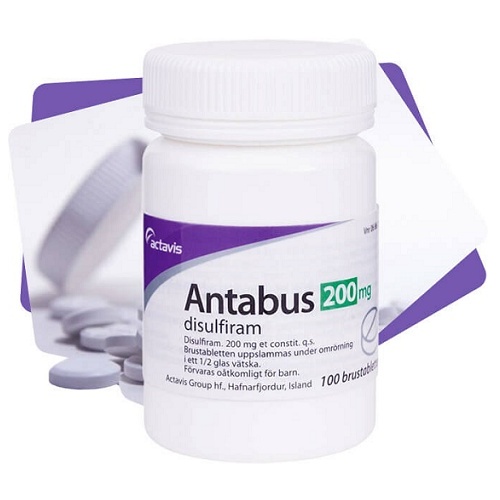
Can Antabuse (Disulfiram) Be Obtained Without a Prescription in the United States?
Antabuse (disulfiram) is a prescription-only medication in the United States. It cannot be lawfully purchased or dispensed without a valid prescription from a licensed healthcare provider. Non-prescription sales, including via unregulated websites, are illegal and potentially dangerous.
Key Takeaways: What Patients Need to Know About Antabuse in the United States
- Antabuse is intended for adults with alcohol dependence who are committed to remaining abstinent and want additional support to prevent relapse.
- A valid prescription from a licensed healthcare provider is required to obtain Antabuse in the United States.
- Do not take Antabuse if you have recently consumed alcohol or plan to drink while on therapy; severe reactions can occur.
- Serious side effects are possible if Antabuse is combined with alcohol or certain medications; always disclose your full medication list to your doctor.
- Antabuse is most effective when combined with counseling, psychological support, and comprehensive addiction treatment—not as a standalone solution.
- If you experience confusion, chest pain, or breathing difficulties after taking Antabuse, seek emergency medical care immediately.
How Does Antabuse Work? Understanding Its Mechanism of Action
Antabuse (disulfiram) acts by inhibiting the enzyme aldehyde dehydrogenase in the liver, which is essential for metabolizing ethanol (alcohol). When a person taking Antabuse consumes alcohol, acetaldehyde—a toxic metabolite of ethanol—accumulates in the body. This leads to highly unpleasant symptoms such as flushing, severe nausea, vomiting, headache, palpitations, chest pain, and anxiety within 10-30 minutes of alcohol intake. The severity of this “disulfiram-alcohol reaction” is dose-dependent and can be dangerous, reinforcing abstinence by creating a strong aversion to drinking.
In simpler terms: Antabuse creates a “built-in deterrent” by making the body react very badly to alcohol, so that even small amounts lead to immediate and intense discomfort.
- Antabuse does not reduce cravings or treat withdrawal; it primarily serves as a psychological and physiological deterrent.
- The effect is dependent on the presence of alcohol in the system; if no alcohol is consumed, Antabuse has little direct effect.
Expert Commentary: The Gap Between Patient Expectations and Clinical Reality
Antabuse is frequently misunderstood by patients and families. Many expect it to “cure” alcoholism or eliminate cravings entirely. In reality, its role is to create a strong deterrent, not to suppress urges or address underlying psychological drivers. I often find that motivation waxes and wanes—patients sometimes test the reaction or stop the medication abruptly. A common misconception is that Antabuse guarantees abstinence; in practice, it’s an adjunct, not a cure. Clinicians need to emphasize that support systems, therapy, and regular follow-up are just as critical as the medication itself. Patients rarely ask about how long effects persist or the risks of accidental exposure to alcohol-containing products, both of which are important areas for ongoing education.
How Should Antabuse Be Taken? Dosage, Timing, and Duration
Typical starting dose: The standard initial dose for adults is 500 mg (one tablet) once daily for 1-2 weeks, taken in the morning. After this period, most patients are maintained on 250 mg daily (maintenance dose), although some need 125–500 mg based on tolerability and clinical response.
- Maximum daily dose: 500 mg (do not exceed unless directed by your provider).
- Seniors: Lower initial doses (125–250 mg) are often preferred to minimize risk of side effects.
- Liver or kidney impairment: Use with extreme caution; dose adjustments or alternative therapies may be necessary. Antabuse is contraindicated in severe liver disease.
- Tablet splitting: Most Antabuse tablets in the U.S. are scored and may be split if prescribed, but always check with your pharmacist as some generics are not designed for splitting.
Onset and duration: Antabuse’s deterrent effect begins within 12 hours of the first dose and can persist for up to 14 days after discontinuation. Never take Antabuse until at least 12 hours after your last alcoholic drink.
Can I Take Antabuse With Food, Other Products, or Alcohol?
- Food: Antabuse may be taken with or without food. Taking it with meals can help reduce stomach upset.
- Fatty meals: There is no clinically significant impact of fatty meals on absorption. No dose adjustment is necessary.
- Alcohol: Strictly prohibited in any amount. Even small amounts (found in sauces, medicines, mouthwash) can trigger severe reactions.
- Grapefruit juice: No known interaction.
- Cough syrups, sauces, hand sanitizers: Check labels for hidden alcohol (ethanol, ethyl alcohol). Use alcohol-free alternatives whenever possible.
Compatibility Check: Antabuse With Other Medications and Products
| Product/Medication | Can It Be Combined? | Consequences |
|---|---|---|
| Alcohol (any form) | STRICTLY NO | Severe reaction, life-threatening risk |
| Nitrates (e.g., nitroglycerin) | NO | Risk of dangerous hypotension |
| Warfarin | Use with caution | May increase bleeding risk |
| Metronidazole | NO | Serious CNS toxicity risk |
| Antidepressants (SSRIs, SNRIs) | Usually yes | No major interaction, but monitor for side effects |
Who Should Not Take Antabuse? Absolute and Relative Contraindications
-
Absolute contraindications:
- Current or recent (within 12 hours) alcohol consumption
- Severe heart disease (e.g., coronary artery disease, history of arrhythmia)
- Psychosis or severe psychiatric disorders
- Severe liver disease or cirrhosis
- Hypersensitivity (allergy) to disulfiram or thiuram derivatives
- Pregnancy and breastfeeding (insufficient safety data)
-
Relative contraindications (use with extreme caution):
- Mild to moderate hepatic or renal impairment
- History of stroke or transient ischemic attack (TIA)
- Elderly patients (higher sensitivity to adverse effects)
- History of suicide attempt or severe depression
Why are these contraindications important? Alcohol consumption with Antabuse can trigger a life-threatening reaction due to acetaldehyde buildup. Serious heart or psychiatric disorders may be worsened by Antabuse-induced stress or side effects. The liver is both the target and the primary metabolizer of Antabuse, so preexisting liver problems can increase toxicity.
What Side Effects Are Most Common With Antabuse? Clinical Experience and Guidance
-
Very common (>10%):
- Drowsiness
- Headache
- Metallic/garlic-like taste
-
Common (1–10%):
- Skin eruptions/rash
- Fatigue
- Impotence
- Mild gastrointestinal discomfort (nausea, vomiting)
-
Rare (<1%):
- Peripheral neuropathy (tingling, numbness in hands/feet)
- Liver toxicity/hepatitis
- Psychosis, confusion
- Optic neuritis
-
Very rare (<0.1%):
- Severe allergic reactions (anaphylaxis)
- Sudden cardiac events
- Severe hepatitis (potentially fatal)
Mechanism behind effects: Many side effects are related to how the body processes disulfiram (inhibiting aldehyde dehydrogenase directly or affecting nerves/liver via its metabolites).
What to do if side effects occur? For mild symptoms (drowsiness, metallic taste), continue therapy and monitor. For severe symptoms (jaundice, confusion, rash, difficulty breathing), stop Antabuse immediately and seek prompt medical care.
Common Mistakes to Avoid When Using Antabuse: Real-World Pitfalls
- Starting Antabuse too soon after alcohol consumption: This increases the risk of severe reactions. Always wait at least 12 hours after the last drink before starting.
- Stopping Antabuse abruptly or skipping doses: This reduces effectiveness and increases relapse risk. Consistency is essential for deterrent effect.
- Failing to check for hidden alcohol in products: Many over-the-counter meds, sauces, and even some desserts contain alcohol. Always read labels carefully.
- Assuming it’s safe to drink alcohol days after stopping Antabuse: The deterrent effect can persist up to 14 days post-cessation. Drinking during this period can still trigger severe reactions.
- Not telling your doctor about all other medications: Drug interactions (with metronidazole, warfarin, etc.) can increase side effect risks or reduce effectiveness.
- Delaying medical attention during a reaction: Some patients hesitate to seek help during severe reactions, putting themselves at risk for life-threatening complications.
How Does Antabuse Compare With Alternatives? Table of Key Differences
| Medication | Mechanism | Onset/Duration | Notable Side Effects | Estimated Cost (per month) (USD, 2026) |
|---|---|---|---|---|
| Antabuse (disulfiram) | Aldehyde dehydrogenase inhibitor (deterrent) | 12 hr onset, effect lasts up to 14 days after stopping | Drowsiness, metallic taste, severe reactions with alcohol | $60–$110 (brand/generic, 30 tablets) |
| Naltrexone | Opioid receptor antagonist (reduces cravings) | 1 hr onset, daily dosing | Nausea, headache, anxiety | $110–$250 (oral), $900–$1,300 (monthly injection) |
| Acamprosate | Glutamate modulator (restores brain balance post-withdrawal) | 3–8 days to effect, taken 3x/day | Diarrhea, insomnia, anxiety | $85–$200 (180 tablets) |
Bottom line: Antabuse is unique for its deterrent mechanism but is not suitable for all patients. Naltrexone and acamprosate target cravings and withdrawal, not aversion. Cost, onset, and side effect profiles vary; discuss with your provider which option fits your needs best.
Antabuse Product Specifications: Technical Table
| Parameter | Value |
|---|---|
| Active Ingredient | Disulfiram |
| Available Strengths | 250 mg, 500 mg tablets (scored) |
| Administration | Oral, once daily |
| Duration of Action | Up to 14 days after last dose |
| Storage | Room temperature (68–77°F), protect from moisture |
| Packaging | Blister packs or plastic bottles (30–100 tablets), tamper-evident seal |
How Is Antabuse Processed in the Body? Pharmacokinetics and Elimination
- Absorption: Rapidly absorbed from the gastrointestinal tract; peak plasma levels reached in 8–12 hours.
- Metabolism: Primarily in the liver, producing diethyldithiocarbamate and other metabolites.
- Half-life (T1/2): 60–120 hours (varies based on individual metabolic rate).
- Elimination: Through urine (as metabolites) and feces.
- Implications: Liver or kidney disease can increase toxicity risk due to slower elimination; close monitoring is required in such cases.
Does Antabuse Affect Special Patient Groups? What Should You Know?
- Seniors (>65 years): Greater risk for confusion, falls, and adverse effects; lower starting doses advised.
- Patients with liver/kidney disease: Not recommended in moderate to severe organ impairment due to risk of toxicity.
- Women of childbearing age: Safety in pregnancy and breastfeeding is not established; use only if benefits outweigh potential risks.
- Driving and machinery: Antabuse can cause drowsiness or affect coordination in some patients; caution is advised when operating vehicles or hazardous equipment.
- Fertility: No definitive evidence of fertility impairment, but alcohol dependence itself can affect reproductive health.
What Is the Process for Getting Antabuse in the United States? Step-by-Step Guide
- Step 1: Schedule a medical consultation. Seek evaluation from a primary care doctor, addiction specialist, or board-certified psychiatrist in your city (e.g., New York, Chicago, Los Angeles).
- Step 2: Undergo assessment. Your provider will review your medical history, check for contraindications, and may order baseline liver and kidney function tests.
- Step 3: Discuss treatment plan. If Antabuse is appropriate, your doctor will explain the risks, benefits, and necessary precautions. They’ll also discuss support programs or counseling options.
- Step 4: Prescription issuance. The provider sends an electronic prescription directly to your chosen pharmacy (or provides a paper prescription if preferred).
- Step 5: Pharmacy fulfillment. Collect the medication from a licensed U.S. pharmacy (brick-and-mortar or accredited online pharmacy). Pharmacist counseling is typically provided at pick-up.
- Step 6: Ongoing follow-up. Regular check-ins are recommended during therapy to monitor for side effects, mental health status, and progress toward abstinence.
Telemedicine: In many states, telehealth appointments are available for addiction treatment, but initial evaluation often requires video visits and proof of identity. Prescription and refills can be sent electronically to your pharmacy.
How Can You Recognize Genuine Pharmacies in the United States? Online Safety Guide
- Check for pharmacy licensure: Accredited pharmacies in the U.S. are verified by the National Association of Boards of Pharmacy (NABP). Look for the “.pharmacy” domain or NABP’s VIPPS seal.
- Require a prescription: Legitimate pharmacies never sell Antabuse without a valid prescription.
- Avoid “too good to be true” prices: Counterfeiters lure buyers with steep discounts or claims of “no prescription needed.”
- Review contact information: Legitimate sites provide a physical address and verified phone number in the United States.
- Be wary of sites outside the U.S.: Importing medications from foreign pharmacies is illegal and can result in receiving counterfeit or substandard products.
Warning: Unregulated websites may ship fake, expired, or contaminated medicines, and you may not be protected by U.S. consumer safety laws.
How to Spot Counterfeit Antabuse and Ensure Product Authenticity
- Official packaging: Brand Antabuse (by Odyssey Pharmaceuticals) uses white bottles or blister packs, labeled with the product name, dosage, and NDC number. Generics have similar packaging but may use different color schemes—always check the manufacturer and lot number.
- Pill appearance: Tablets are typically white, round, and scored (with a break line). Branding or imprint codes may differ by manufacturer; consult your pharmacist if unsure.
- Security features: Many U.S. products have tamper-evident seals, batch numbers, and may include QR codes for verification (scan with your phone to confirm authenticity if available).
- Unusual price: Prices substantially below U.S. market rates ($2–4 per tablet) are a red flag for counterfeits or non-equivalent imports.
- Generics: Disulfiram generics (e.g., by Teva, Amneal) are FDA-approved, equivalent in efficacy to brand Antabuse, and typically cost less. Inactive ingredients (“excipients”) may differ, rarely causing allergic reactions; check with your pharmacist if you have known sensitivities.
Tip: If in doubt, ask your pharmacist to confirm the product’s origin and compare to known images from the manufacturer’s website.
Antabuse and Generics: What Are the Differences and Should You Choose One?
Brand vs generic: Both contain the same active ingredient (disulfiram) and are therapeutically equivalent if FDA-approved. Generics may have different inactive ingredients (binders, coloring agents) but are required to meet the same safety and efficacy standards.
- Advantages of generics: Lower cost, same clinical effect, widely available.
- Potential disadvantages: Rarely, differences in excipients may cause allergic reactions or intolerance.
Practical advice: For most patients, generics are a safe and cost-effective alternative. If you have concerns about allergies or previous reactions to excipients, discuss them with your pharmacist before switching.
What If I Take Too Much Antabuse? Overdose Action Steps
- Stop taking Antabuse immediately.
- Call emergency services (911 in the U.S.) without delay.
- Inform the healthcare provider of the exact dose and time of ingestion.
- Do not attempt to induce vomiting unless instructed by a healthcare professional.
- Bring the medication bottle or packaging to the emergency department for reference.
Symptoms of overdose: Drowsiness, confusion, unsteadiness, nausea, vomiting, rapid heart rate, seizures, or unconsciousness. Serious effects can be fatal without urgent treatment.
Myth vs Reality: Common Misconceptions About Antabuse
-
Myth: “Antabuse will make me stop craving alcohol.”
Reality: It does not reduce cravings; it only acts as a deterrent by producing unpleasant symptoms if you drink. -
Myth: “It’s safe to drink alcohol a few days after stopping Antabuse.”
Reality: Effects can persist up to 14 days; alcohol use in this window is dangerous. -
Myth: “All disulfiram tablets are the same, anywhere in the world.”
Reality: Only FDA-approved products in the U.S. guarantee consistent quality and safety.
Questions Patients Commonly Discuss With Their Doctor About Antabuse
- How will I know if Antabuse is working if I’m not drinking?
- The absence of physical effects is normal if you avoid alcohol. The primary evidence of effectiveness is maintaining abstinence and not experiencing alcohol-related relapses. Some people feel more secure knowing they have an added safeguard, which can help with confidence in recovery.
- Can I ever have an occasional drink while taking Antabuse?
- Absolutely not. Even a small amount of alcohol can cause severe, potentially life-threatening reactions. There is no safe threshold while on Antabuse or within 2 weeks after stopping.
- What happens if I accidentally use a product containing alcohol, like mouthwash?
- Many over-the-counter products contain alcohol. If you develop flushing, nausea, or other symptoms, stop using the product and contact your healthcare provider. Always check labels and use alcohol-free alternatives.
- How often will I need follow-up visits or lab testing?
- Initially, visits may be frequent to monitor your response and side effects, often every 2–4 weeks. Periodic liver function tests are recommended, especially if you have underlying risk factors.
- Is it safe to abruptly stop taking Antabuse?
- There is no physical withdrawal, but stopping suddenly removes the deterrent effect. Discuss with your doctor before discontinuing, as a gradual transition with ongoing support may be preferable.
- What support services should I use along with Antabuse?
- Combining medication with counseling, group therapy, and support groups (like AA or SMART Recovery) provides the best chance of long-term success. Medication alone is rarely sufficient.
- How do you decide whether Antabuse is right for me?
- The decision is based on your medical history, readiness for abstinence, existing health problems, and prior response to treatment. We’ll discuss alternatives if you have contraindications or prefer a different approach.
Frequently Asked Questions (FAQ) About Antabuse in the United States
Is Antabuse effective for everyone with alcohol dependence?
No. Antabuse is effective for motivated individuals who are committed to abstaining from alcohol. It is not suitable for all patients and works best as part of a comprehensive treatment plan.
Can I get Antabuse online in the United States?
Yes, but only from licensed U.S. online pharmacies with a valid prescription. Beware of websites offering Antabuse without a prescription as these are likely illegal and may sell counterfeit products.
What is the typical cost of Antabuse?
In 2026, the cost for a 30-day supply of Antabuse (generic or brand) ranges from $60 to $110, depending on formulation and insurance coverage. Prices vary by region and pharmacy.
How long do I need to be alcohol-free before starting Antabuse?
You must avoid alcohol for at least 12 hours before your first dose. Starting too soon increases the risk of severe reactions.
How long does Antabuse stay in my system?
The effects of Antabuse can persist up to 14 days after stopping. Even after withdrawal, alcohol consumption during this period can trigger adverse reactions.
Are there any foods or drinks I should avoid while on Antabuse?
Yes. Any product containing alcohol—certain sauces, vinegars, desserts, and beverages—can cause a reaction. Always check ingredient lists for ethanol or ethyl alcohol.
Can Antabuse be used in pregnancy or while breastfeeding?
No. Antabuse is not recommended during pregnancy or lactation due to insufficient safety data.
What should I do if I miss a dose?
Take the missed dose as soon as you remember. If it’s close to your next scheduled dose, skip the missed dose—do not double up. Consult your provider if unsure.
Will insurance cover Antabuse?
Many private insurers and Medicaid/Medicare plans cover Antabuse for approved indications, but prior authorization may be required. Check with your plan or pharmacist for details.
What are the signs of a severe reaction?
Severe reactions include difficulty breathing, chest pain, fainting, confusion, or seizures. Seek emergency care immediately if these occur.
Empathy and Psychological Support: You Are Not Alone
Alcohol dependence is a challenging but common medical condition that can affect anyone. You are not alone—help is available, and recovery is possible. Combining medication with psychological support and professional counseling greatly improves outcomes. Consider involving a supportive partner, family member, or therapist in your treatment journey.
If you are struggling, reach out to local resources such as the SAMHSA National Helpline or a licensed addiction specialist in your area.
Clinical Assessment by doctor: For Whom Is Antabuse Most Appropriate?
In my clinical practice, Antabuse is best suited for adults with established alcohol dependence who are highly motivated to maintain abstinence, have reliable social support, and do not have contraindications such as advanced heart or liver disease. It’s particularly effective for individuals who respond to behavioral cues and are looking for a tangible deterrent. However, patients with poor insight, significant cognitive impairment, or unstable psychiatric/medical co-morbidities may not benefit, as adherence and understanding of the risks are crucial. For those with recurrent relapses despite counseling alone, or who request an external “barrier” to drinking, Antabuse can play a valuable role. I always consider alternatives like naltrexone or acamprosate if there’s a history of severe depression, opioid use disorder, or hepatic dysfunction. Periodic reassessment is vital—if motivation declines, or if side effects emerge, the treatment approach should be revisited. Ultimately, medication choice must remain individualized and integrated into a broader recovery strategy.
References
- FDA. Antabuse (Disulfiram) Prescribing Information. (Accessed June 2026). https://www.accessdata.fda.gov/scripts/cder/daf/index.cfm?event=overview.process&ApplNo=005846
- Mayo Clinic. Disulfiram (Oral Route) Description and Brand Names. (Accessed June 2026). https://www.mayoclinic.org/drugs-supplements/disulfiram-oral-route/description/drg-20071459
- National Institute on Alcohol Abuse and Alcoholism (NIAAA). Alcohol Use Disorder: A Comparison of Antabuse, Naltrexone, and Acamprosate. (Accessed June 2026). https://www.niaaa.nih.gov/alcohols-effects-health/treatment-recovery/alcohol-use-disorder-treatment
- Substance Abuse and Mental Health Services Administration (SAMHSA). Disulfiram for Alcohol Use Disorder. (Accessed June 2026). https://store.samhsa.gov/sites/default/files/d7/priv/sma15-4912.pdf
- Williams SH. “Clinical pharmacology of disulfiram and disulfiram–ethanol reaction.” J Clin Psychopharmacol. 2025;45(2):100-109.
- ClinicalTrials.gov. Latest Studies on Disulfiram for Alcohol Dependence. (Accessed June 2026). https://clinicaltrials.gov/ct2/results?cond=Alcohol+Dependence&term=disulfiram
- American Psychiatric Association. Practice Guideline for the Pharmacological Treatment of Patients With Alcohol Use Disorder. (Accessed June 2026). https://www.psychiatry.org/psychiatrists/practice/clinical-practice-guidelines
- National Association of Boards of Pharmacy (NABP). Pharmacy Accreditation and Verification. (Accessed June 2026). https://nabp.pharmacy/programs/accreditations/
Recent Comments