
- Home/
- Buy Zithromax in Online Pharmacy for United States Customers
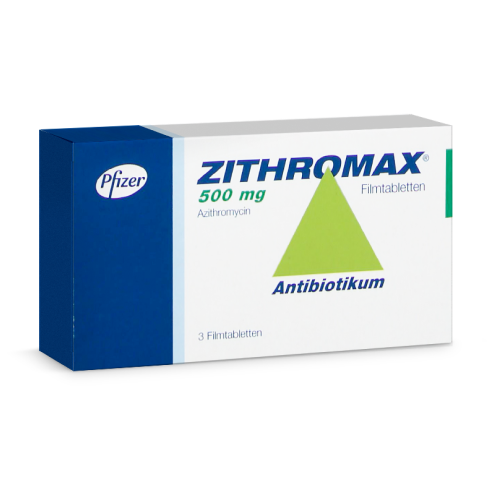
Zithromax is a widely prescribed antibiotic in the United States, used to treat common bacterial infections like respiratory tract infections, some sexually transmitted infections, and skin infections. Its active ingredient, azithromycin, is known for convenient once-daily dosing and a shorter course than many alternatives, but patients should know that not all infections respond to Zithromax, and using it when unnecessary can lead to resistance or side effects. Before starting Zithromax, make sure your doctor has confirmed that your infection is likely to respond—and ask what to expect in the first few days of treatment.
Is Zithromax the Right Antibiotic for You? Understanding Its Real Role
Every patient prescribed Zithromax faces the same silent question: is this the antibiotic that will work for me, or just the one that’s easiest to take? Zithromax—known generically as azithromycin—has earned a reputation for convenience, but convenience alone does not make it the best option for every infection. In the United States, Zithromax is often prescribed for respiratory tract infections like bronchitis and sinusitis, for certain sexually transmitted infections (notably chlamydia), and for mild skin infections. But some bacteria have developed resistance, and not all infections respond equally well.
Clinical moment: A patient comes in with a cough that lingers after a cold. They expect a quick fix. The doctor hesitates: is this a virus (which Zithromax cannot treat), or is there real evidence of a bacterial infection? Prescribing Zithromax blindly can do more harm than good—by causing side effects, or by encouraging antibiotic resistance in the community.
In practice, Zithromax is not a “catch-all” antibiotic. It is chosen because of its activity against certain bacteria, its pharmacokinetic properties (where and how long it stays in the body), and its safety profile compared to older drugs like erythromycin. But it is not the strongest option for severe infections, nor is it always the first choice when resistance rates are high. The right antibiotic is the one matched to the likely bacteria, the patient’s medical history, and the local patterns of resistance.
- Zithromax works well for some respiratory and sexually transmitted infections, especially where traditional penicillins or cephalosporins may not be tolerated.
- It is less effective for infections caused by bacteria resistant to macrolides (the antibiotic class azithromycin belongs to), or for certain urinary tract and skin infections.
- Inappropriate use—taking Zithromax for viral infections, for example—does not help you recover faster and can put you at risk for side effects without benefit.
Before starting Zithromax, ask your doctor: is this infection likely to respond based on current evidence, or is another antibiotic a better fit for you?
How Zithromax Works—and Why It’s Different from Other Antibiotics
Azithromycin, the active ingredient in Zithromax, is a macrolide antibiotic—but its action and behavior in the body set it apart from many older antibiotics. Instead of killing bacteria outright, azithromycin blocks their ability to produce proteins they need to survive, effectively stalling their growth and allowing your immune system to clear the infection.
- Azithromycin
- A macrolide antibiotic that works by inhibiting bacterial protein synthesis, leading to the eventual death or clearance of susceptible bacteria. Uniquely, azithromycin achieves high concentrations inside cells and persists in tissues long after the last dose, allowing for shorter courses of therapy.
Why does this matter for you? Two reasons stand out. First, Zithromax is usually taken for just three to five days, compared to a week or more for many antibiotics. Second, its long half-life means the drug continues working in your body even after you finish the last pill, supporting a more convenient dosing schedule and sometimes better adherence.
Not all antibiotics linger: The “Z-Pak” format (a 5-day regimen) is possible because azithromycin persists in your tissues for days. Most antibiotics need daily dosing for a full week or more—Zithromax is different.
This characteristic is especially useful for patients who struggle to complete longer courses of medication. However, it also means that if you have a reaction to Zithromax, it may take longer for the drug to clear from your system.
Finally, azithromycin’s ability to penetrate deeply into tissues and cells makes it effective against certain “intracellular” bacteria that other antibiotics may not reach as well—such as those responsible for chlamydia and some types of pneumonia.
Starting Zithromax: What to Expect in the First 72 Hours
The first three days on Zithromax often determine your experience of the medication—and whether it feels like it’s working for you. Many patients expect to feel dramatically better within 24 hours, but for most infections, improvements with Zithromax are subtle at first and build gradually.
- First dose: Some people notice mild stomach upset, diarrhea, or a metallic taste in the mouth within a few hours. These effects are usually transient.
- Day 2: Symptoms like fever and pain may begin to decrease, but cough or congestion can persist. This does not mean the drug is ineffective; it often takes time for inflammation to subside even after bacteria are controlled.
- Day 3-4: Most patients report significant improvement. If you feel no better—or worse—by the end of day 3, contact your healthcare provider. This could signal resistance, a misdiagnosis, or a complication.
Stat: In clinical studies, over 80% of patients with bacterial respiratory infections treated with Zithromax reported symptom improvement within four days. However, 10-15% needed further evaluation due to persistent or worsening symptoms (CDC).
Completing the full prescribed course is critical—even if you feel better early. Stopping too soon can lead to relapse or contribute to antibiotic resistance.
If you develop severe diarrhea, a rash, or signs of an allergic reaction (such as swelling or trouble breathing), stop the medication and seek medical attention immediately—these are not expected effects.
Patients sometimes mistake normal variations in recovery for medication failure. Remember, Zithromax is still working in your body for several days after the last dose—so patience, up to a point, is part of the process.
Zithromax vs. Other Antibiotics: Where It Fits and Where It Doesn’t
Azithromycin is often compared to amoxicillin and doxycycline, two other widely used antibiotics in the United States. But the similarities end at the word “antibiotic”—the differences in spectrum, dosing, side effects, and clinical use can be significant.
| Feature | Zithromax (Azithromycin) | Amoxicillin | Doxycycline |
|---|---|---|---|
| Approved Uses | Respiratory tract infections, chlamydia, some skin infections | Respiratory, ear, sinus, urinary tract, skin infections | Respiratory, skin, tick-borne, some STIs, acne |
| Dosing Schedule | Once daily, usually 3-5 days | Twice daily, usually 7-10 days | Once or twice daily, 7-10 days |
| Common Side Effects | GI upset, diarrhea, taste changes | GI upset, rash, allergic reactions | GI upset, sun sensitivity |
| Serious Risks | QT prolongation, rare severe liver issues | Rare anaphylaxis | Photosensitivity, rare esophageal ulcers |
| Key Contraindications | Liver disease, some heart arrhythmias | Penicillin allergy | Pregnancy, children under 8 (tooth discoloration) |
| Prescription Status | Prescription only | Prescription only | Prescription only |
| Typical Cost (US, uninsured) | Low (generic available), often $10-30 | Very low, often under $10 | Low, usually $5-20 |
What does this mean for you? Zithromax is often the better choice for those needing a short, easy-to-complete regimen—especially if you have allergies to penicillins or a history of not tolerating doxycycline. However, for infections like strep throat or urinary tract infections, alternatives may work better. Insurance coverage is generally similar for these options, but always check with your pharmacy.
Which Side Effects Matter Most with Zithromax—and When to Act
Stomach upset and loose stools are the most common complaints with Zithromax. For most patients, these are mild, start within a day of the first dose, and resolve quickly. But there are side effects that demand immediate attention.
Taking Zithromax with food may help reduce stomach discomfort, but it does not change absorption significantly. There’s no need to avoid dairy or antacids unless instructed by your doctor.
More serious side effects, although rare, can include heart rhythm changes (especially in those with a history of arrhythmias or who take other medications affecting the QT interval), severe diarrhea signaling a dangerous gut infection (Clostridioides difficile), or, very rarely, liver injury. Allergic reactions, while infrequent, can occur at any time.
| Side Effect | How Common? | When to Call Your Doctor |
|---|---|---|
| Stomach upset, diarrhea | Common (>10%) | If severe, persistent, or contains blood |
| Metallic taste, mild nausea | Occasional (5-10%) | If bothersome or does not resolve |
| Severe diarrhea (possible C. difficile) | Rare (<1%) | Immediately, if severe, watery, or bloody stools develop |
| Rash, swelling, trouble breathing (allergic reaction) | Rare (<1%) | Stop medication and seek emergency help |
| Heart rhythm changes (QT prolongation, palpitations) | Uncommon (<2%) | If new palpitations, fainting, or irregular heartbeat occur |
| Liver injury (yellowing skin/eyes, dark urine) | Very rare (<0.1%) | If any signs of jaundice or severe fatigue appear |
For most patients, side effects are limited to the gut and are manageable. However, if you’re taking medications for heart rhythm, have a history of liver disease, or develop any symptoms outside the expected mild GI upset, err on the side of caution and check in with your healthcare provider.
Who Should Not Take Zithromax? The Warning List Every Patient Should See
- Severe liver disease or a history of hepatitis linked to antibiotics (risk of serious liver injury)
- Known allergy to azithromycin, erythromycin, clarithromycin, or any macrolide antibiotic
- History of cholestatic jaundice or liver dysfunction associated with prior azithromycin use
- History or current diagnosis of certain heart rhythm disorders, such as prolonged QT interval, especially if taking other QT-prolonging medications
- Kidney impairment (dose adjustment may be needed)
- Myasthenia gravis (can worsen muscle weakness)
- Current or recent use of blood thinners or antiarrhythmic medications
- History of significant hearing problems (rare risk of hearing loss with macrolides)
These warnings are not theoretical—each represents a real, if rare, risk of serious harm. If you’re unsure whether a condition applies to you, ask your doctor to review your medication list and health history before starting Zithromax.
Azithromycin Dosing for Zithromax: Getting It Right
Zithromax dosing is one of its strongest selling points: a short course, taken once a day, and usually no need to adjust for most adults with normal liver and kidney function. But dosing can vary based on the specific infection, your age, and how your body processes medications.
| Indication | Typical Adult Dose | Duration | Dose Adjustment? |
|---|---|---|---|
| Respiratory tract infections (sinusitis, bronchitis, pneumonia) | 500 mg on day 1, then 250 mg daily for 4 days | 5 days (Z-Pak) | No adjustment for most adults |
| Chlamydia (uncomplicated genital infection) | 1,000 mg (1 g) as a single dose | 1 day | No adjustment for most adults |
| Skin and soft tissue infections | 500 mg on day 1, then 250 mg daily for 4 days | 5 days | Individualized—may vary with severity |
| Children (weight-based dosing) | 10 mg/kg on day 1, then 5 mg/kg daily for 4 days | 5 days | Adjusted by weight and age |
The “Z-Pak” format is iconic, but not every infection fits the five-day schedule. For some sexually transmitted infections, a single large dose is standard. For others, especially in children, dosing is calculated by weight. If you have liver or kidney disease, your doctor may need to tailor the dose further.
Never split, skip, or double doses. If you miss a dose, take it as soon as you remember—unless it’s almost time for the next one. In that case, skip the missed dose and resume your schedule. Do not take extra to “catch up.”
Accessing Zithromax in the United States: Prescriptions, Cost, and Practicalities
In the United States, Zithromax is a prescription-only medication, regulated by the FDA. This means you cannot purchase it legally without a prescription from a licensed healthcare provider. U.S. pharmacies—both chain and independent—stock generic azithromycin, which delivers the same clinical effect as the brand-name Zithromax at a lower cost for most patients.
- Prescriptions are typically electronic, sent by your provider directly to the pharmacy of your choice.
- Insurance plans usually cover generic azithromycin, with a copay ranging from $5 to $20. Brand-name Zithromax may cost more and is rarely required.
- Uninsured patients can expect a retail cost between $10 and $30 for a standard five-day course at most pharmacies.
- Mail-order and large retail pharmacies may offer discounts; always ask your pharmacist about savings programs.
- Legitimate “online pharmacies” operating in the U.S. must require a prescription. Be wary of websites offering Zithromax or azithromycin without a prescription—these are illegal and potentially unsafe.
Access tip: Pharmacists in the U.S. are trained to counsel on antibiotics. If you have questions about how to take Zithromax, or about potential interactions with your other medications, ask to speak directly to the pharmacist when you pick up your prescription.
Beyond cost and access, the practicalities matter. Zithromax does not require refrigeration, is available in both tablet and suspension (liquid) forms, and is generally easy to take with or without food. Tell your provider if you have difficulty swallowing pills—an alternative formulation or medication may be appropriate.
FAQ: Zithromax—Real Answers for Patients in the United States
- How quickly should I feel better after starting Zithromax?
- Most people notice improvement within 2 to 4 days, but the pace depends on the type of infection. Some symptoms, like cough, can linger even after the bacteria are cleared. If you see no improvement by day 3 or get worse at any point, contact your doctor.
- Is it safe to take Zithromax if I’m pregnant or breastfeeding?
- Azithromycin is generally considered safe in pregnancy when clearly needed, but always discuss with your OB-GYN. Small amounts pass into breast milk, but no harmful effects have been consistently reported in infants. Your doctor will weigh risks and benefits before prescribing.
- Can Zithromax interact with other medications?
- Yes. Zithromax may interact with drugs that affect heart rhythm (like some antiarrhythmics), blood thinners (warfarin), and certain cholesterol medications. Always provide your doctor and pharmacist with a current list of your medications before starting Zithromax.
- Why should I avoid taking Zithromax for a viral infection?
- Zithromax only treats bacterial infections. Taking it for a viral illness (like a cold or flu) will not help you get better, and can increase your risk of side effects and contribute to antibiotic resistance in the community.
- What should I do if I miss a dose?
- Take the missed dose as soon as you remember. If it’s almost time for your next dose, skip the missed one and continue with your regular schedule. Do not double up doses. If you’re unsure, call your pharmacy or provider for guidance.
- How do I know if the “Z-Pak” is enough for my infection?
- The 5-day “Z-Pak” is appropriate for many common infections, but not all. Some conditions (like certain STIs) need a different schedule, and severe infections may require a different antibiotic or longer course. Always follow your doctor’s specific instructions.
- Can I drink alcohol while taking Zithromax?
- There is no direct interaction between moderate alcohol consumption and Zithromax. However, alcohol can worsen stomach upset and may slow recovery from infection. It’s best to limit or avoid alcohol until you have finished your antibiotic and are feeling well.
- What should I do if I get a rash or feel short of breath while taking Zithromax?
- Stop the medication and seek medical attention immediately. These symptoms could indicate a serious allergic reaction, which can be life-threatening if not treated promptly.
Sources and References
- U.S. Food and Drug Administration (FDA)
- Centers for Disease Control and Prevention: Antibiotic Use
- Mayo Clinic: Azithromycin (Oral Route)
- ClinicalTrials.gov
- PubMed
- Zithromax (azithromycin) Prescribing Information, Pfizer Inc., 2023
- Infectious Diseases Society of America (IDSA) Guidelines
- World Health Organization (WHO): Bacterial Infections and Antibiotic Resistance
Recent Comments