
- Home/
- Buy Nolvadex at Low Price in the United States Online
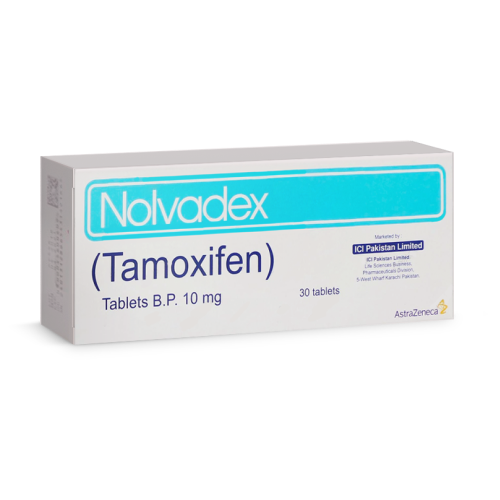
Nolvadex (tamoxifen) is a prescription medication in the United States and cannot be lawfully obtained without a valid prescription from a licensed healthcare provider. It is regulated by the U.S. Food and Drug Administration (FDA) and is dispensed only by licensed pharmacies.
Key Takeaways: What You Need to Know About Nolvadex
- Nolvadex (tamoxifen) is primarily used to treat and prevent certain types of breast cancer, especially hormone receptor-positive cases.
- It is only available with a prescription in the United States—self-medication is unsafe and illegal.
- Most patients see results within several weeks, but full benefits may require months of continuous therapy.
- The most important safety consideration is the risk of serious side effects such as blood clots or endometrial cancer—regular monitoring is essential.
- If you experience new or worsening symptoms while on Nolvadex, seek medical advice promptly.
- Coverage for Nolvadex varies; most insurance plans and Medicare Part D include it, but costs can differ significantly.
What Is Nolvadex (Tamoxifen) and How Does It Work in the Body?
Nolvadex, with the active ingredient tamoxifen citrate, is classified as a selective estrogen receptor modulator (SERM). It has been a cornerstone of hormone therapy for breast cancer since its FDA approval in 1977. Tamoxifen works by competitively binding to estrogen receptors on cells, particularly in breast tissue, thereby blocking the effects of estrogen, a hormone that can promote the growth of certain breast cancers.
At the molecular level, tamoxifen acts as an estrogen antagonist in breast tissue—meaning it prevents estrogen from attaching to its receptor. However, in other tissues like bone or the endometrium, it can have partial agonist effects (mimicking estrogen to a lesser degree). This dual action is what defines SERMs and distinguishes them from aromatase inhibitors (which block estrogen production).
To visualize: Imagine Nolvadex as a “key” that fits into the estrogen receptor “lock,” but instead of turning the lock and opening the door to cancer cell growth, it jams the mechanism, preventing estrogen from having its usual effect.
Tamoxifen does not require any specific external triggers to work; its effect depends on the presence of estrogen receptors in the target tissue and the body’s circulating estrogen levels.
Why Expectations About Nolvadex Can Differ from Clinical Reality
In my clinical experience, many patients expect Nolvadex to produce rapid, noticeable changes, believing they will “feel” its effect soon after starting therapy. However, most of the benefits—such as reducing cancer recurrence risk—are not perceptible in daily life, which can lead to doubts about whether the medication is working. Patients also rarely ask about the need for ongoing surveillance (like gynecological exams for endometrial risk) or possible impacts on fertility, focusing instead on immediate side effects. It’s important for patients to understand that success with Nolvadex is measured over years, not days or weeks, and that regular follow-ups and open communication with their healthcare team are essential for safe, effective treatment.
How Is Nolvadex (Tamoxifen) Typically Taken and What Should Patients Expect?
- Standard dosing: For adults with breast cancer, the typical dose is 20 mg once daily by mouth. In some cases, this may be split into two 10 mg doses.
- Maximum dose: Doses above 40 mg per day are rarely used and only under specialist supervision. Exceeding prescribed doses increases the risk of severe side effects.
- Special populations: Dose adjustments are generally not required for elderly patients, but close monitoring is advised. For those with liver impairment, physicians may consider lower starting doses or more frequent monitoring due to altered drug metabolism.
- Tablet splitting: Nolvadex tablets are not scored and should not be split unless directed by a healthcare provider.
- Onset and duration: The therapeutic effect on cancer recurrence risk builds over weeks to months. The drug remains in the system for several days after stopping due to its long half-life.
Can Food, Alcohol, or Other Products Affect Nolvadex?
- Food: Tamoxifen can be taken with or without food. High-fat meals do not significantly affect absorption or efficacy (Mayo Clinic).
- Alcohol: Moderate alcohol use does not directly interact with tamoxifen, but both substances are metabolized by the liver. Excessive drinking increases the risk of liver toxicity—patients are advised to limit intake to one drink per day (women) or two (men), as per CDC guidelines.
- Grapefruit juice: No clinically significant interaction between grapefruit juice and tamoxifen has been documented. However, it’s best to avoid very large amounts, as grapefruit can interfere with many medications via CYP3A4 metabolism.
- Supplements & Herbal Remedies: Some herbal products (like St. John’s Wort) may reduce tamoxifen effectiveness. Always inform your healthcare provider about all supplements you use.
When Is Nolvadex (Tamoxifen) Unsafe or Contraindicated?
- Absolute contraindications (never use):
-
- Known allergy to tamoxifen or any ingredient in the tablet.
- Concurrent use with warfarin in patients with a history of deep vein thrombosis or pulmonary embolism (increases risk of life-threatening bleeding).
- Pregnancy or breastfeeding: Tamoxifen is teratogenic and should never be used during pregnancy or lactation unless specifically recommended by a specialist for life-threatening indications (FDA).
- Relative contraindications (use with caution and close monitoring):
-
- History of blood clots: Increased risk of venous thromboembolism—alternative therapies may be preferred.
- Uncontrolled hypertension or diabetes: Both may increase risk of cardiovascular side effects.
- Liver impairment: Tamoxifen is metabolized by the liver; dose adjustment and close monitoring required.
- Pre-existing endometrial cancer or unexplained vaginal bleeding: Use only after specialist assessment, as tamoxifen can increase endometrial cancer risk.
What Side Effects Are Most Common with Nolvadex?
- Very common (>1 in 10):
- Hot flashes (vasomotor symptoms): Flushing and sweating due to effects on estrogen receptors.
- Vaginal discharge or dryness.
- Menstrual changes (irregular periods or amenorrhea).
- Common (1 in 100 to 1 in 10):
- Leg cramps or muscle pain.
- Nausea.
- Mild skin rash.
- Fatigue.
- Mood changes.
- Rare (<1 in 1,000):
- Venous thromboembolism (deep vein thrombosis or pulmonary embolism). Mechanism: Tamoxifen increases clotting factors.
- Endometrial cancer, particularly after long-term use. Mechanism: Estrogen agonist effect on uterine lining.
- Vision changes (retinopathy or cataracts).
- Severe liver dysfunction.
- Very rare (<1 in 10,000):
- Stevens-Johnson syndrome (severe skin reaction).
- Pancytopenia (bone marrow suppression).
If you experience sudden leg pain, shortness of breath, vision loss, or abnormal vaginal bleeding, stop Nolvadex and seek immediate medical attention. For mild side effects, consult your provider before discontinuing the drug.
Mistakes Patients Often Make When Using Nolvadex (and How to Avoid Them)
- Stopping the medication early due to lack of perceived benefit. Nolvadex’s main benefit is reducing cancer recurrence, which isn’t immediately “felt.” Never stop without consulting your oncologist.
- Ignoring regular follow-up visits. Routine blood tests and gynecological exams are essential to monitor for rare but serious complications—missing these increases risk.
- Not reporting new symptoms promptly. Patients may delay reporting leg swelling, shortness of breath, or abnormal bleeding, not realizing these could signal life-threatening side effects.
- Taking herbal supplements or over-the-counter drugs without disclosure. Some supplements reduce tamoxifen’s effectiveness or increase side effects—always inform your provider of all products you use.
- Incorrect timing or missed doses. Skipping doses diminishes protection. Use reminders or pill organizers to improve adherence.
- Misunderstanding interactions. Some believe dietary choices (other than rare exceptions) strongly impact tamoxifen—most do not, but always clarify with your doctor.
Nolvadex Compared to Alternatives: How Does It Stack Up for Breast Cancer?
| Medication | Usual Indication | Onset of Action | Duration of Therapy | Key Side Effects | Typical Monthly Cost (USD) |
|---|---|---|---|---|---|
| Nolvadex (tamoxifen) | Hormone receptor-positive breast cancer (all ages, pre- and post-menopausal) | Weeks to months for cancer risk reduction | 5–10 years | Hot flashes, blood clots, endometrial changes | $15–$130 (generic); $480+ (brand) |
| Arimidex (anastrozole) | Postmenopausal hormone receptor-positive breast cancer | Weeks | 5 years | Joint pain, bone loss, hot flashes | $20–$150 (generic); $500+ (brand) |
| Femara (letrozole) | Postmenopausal hormone receptor-positive breast cancer | Weeks | 5 years | Bone pain, hot flashes, fatigue | $25–$160 (generic); $480+ (brand) |
Bottom line: Nolvadex is the only option among these for premenopausal women and has the longest safety data. Aromatase inhibitors (like Arimidex, Femara) are preferred in postmenopausal women due to lower risk of uterine cancer, but they increase risk of osteoporosis.
Nolvadex at a Glance: Technical Details
| Active Ingredient | Tamoxifen citrate |
| Available Strengths | 10 mg, 20 mg tablets |
| Route of Administration | Oral (by mouth) |
| Typical Duration of Use | 5–10 years for adjuvant therapy |
| Storage Conditions | Store at room temperature (68–77°F, 20–25°C); protect from moisture |
| Prescriber | Oncologist or physician with oncology expertise |
Compatibility Check: Nolvadex with Other Products and Medications
| Product/Medication | Can Be Combined? | Possible Consequences |
|---|---|---|
| Warfarin (blood thinner) | STRICTLY NO | Increased bleeding risk; contraindicated |
| SSRIs (e.g., paroxetine) | Generally NOT recommended | May reduce tamoxifen efficacy via CYP2D6 inhibition |
| Aspirin | Yes | No significant interaction but check with doctor for bleeding risk |
| Grapefruit juice | Generally yes, but caution | No major known interaction, but large amounts discouraged |
| Alcohol | In moderation | May increase liver strain; avoid excessive amounts |
How Nolvadex Is Processed in the Body: Metabolism and Elimination
Absorption: Tamoxifen is well absorbed after oral administration, reaching peak blood levels in 4–7 hours.
Metabolism: The drug is extensively metabolized in the liver, primarily by cytochrome P450 enzymes (notably CYP2D6 and CYP3A4), to active metabolites such as endoxifen, which are crucial for its anti-cancer effects. Genetic differences in these enzymes can affect efficacy.
Elimination: Most tamoxifen and its metabolites are excreted in feces via bile; a smaller proportion is eliminated via urine.
Half-life (T1/2): Tamoxifen’s half-life is long, averaging 5–7 days for the parent compound, and up to 14 days for certain metabolites. This supports once-daily dosing and means missed doses have less immediate impact.
Considerations for Specific Patient Groups Using Nolvadex
- Elderly patients: Generally well tolerated, but increased risk of blood clots and endometrial changes—closer monitoring advised.
- Patients with liver disease: Dose adjustment or alternative therapies may be needed, as metabolism is impaired.
- Kidney impairment: No major adjustment typically needed, but always check with a specialist.
- Fertility and family planning: Tamoxifen can induce ovulation in premenopausal women (paradoxically), but is teratogenic. Both men and women must use effective contraception during treatment and for several months after discontinuation.
- Driving and machinery: Nolvadex is unlikely to impair the ability to drive or operate heavy machinery, but caution is advised if you experience dizziness or blurred vision.
Original Nolvadex vs. Generics: Are There Important Differences?
After patent expiry, many FDA-approved generic versions of tamoxifen are available in the U.S. (e.g., from Teva, Mylan, Sandoz). Generics contain the same active ingredient and must meet strict bioequivalence standards set by the FDA. Inactive ingredients (excipients) such as fillers, dyes, or binding agents may differ—very rarely, patients with allergies or sensitivities to these components may notice a difference.
- Advantages of generics: Substantially lower cost, identical clinical effectiveness, and broad insurance coverage.
- When to choose original Nolvadex: Only if allergy to generic excipients or insurance coverage dictates.
Allergic reactions to excipients are extremely rare. If you notice unusual symptoms after switching to a generic, discuss with your doctor.
How to Legally Obtain Nolvadex in the United States: Step-by-Step Guide
- Consultation: Meet with a licensed healthcare provider (preferably an oncologist) in person or via telemedicine to assess your medical history and determine if Nolvadex is appropriate for your condition.
- Medical Assessment: You may require blood tests, imaging, or other diagnostics to establish indication and rule out contraindications.
- Prescription Issuance: If suitable, the provider issues a valid prescription—either electronically or on paper.
- Pharmacy Fulfillment: You present the prescription at a licensed pharmacy (chain, independent, or mail-order). Pharmacies in the U.S. must be state-licensed and follow strict FDA and DEA regulations.
- Medication Pickup or Delivery: You receive Nolvadex in the original manufacturer’s packaging. Instructions for use and a counseling session with the pharmacist are provided.
- Follow-up: Scheduled follow-up appointments are critical to monitor response and detect side effects; refills typically require ongoing provider oversight.
Questions Patients Often Ask Their Doctor About Nolvadex Therapy
- How will I know if Nolvadex is working for me?
- The effectiveness of Nolvadex is generally assessed by follow-up imaging studies and monitoring for cancer recurrence, not by symptoms alone. Your medical team will track your progress over time.
- What should I do if I forget to take my Nolvadex dose?
- If you remember within a few hours, take your dose as soon as possible. If it’s almost time for your next dose, skip the missed one—don’t double up. Consistent daily use is important for best results.
- Are there special risks if I’m taking other medications?
- Some drugs—especially certain antidepressants (like paroxetine)—can reduce Nolvadex’s effectiveness. Always provide a full list of your medicines to your doctor and pharmacist.
- How long will I need to be on Nolvadex?
- Most women take Nolvadex for 5 years, though some may benefit from up to 10 years of therapy. Your oncologist will individualize your plan based on response and tolerance.
- Will Nolvadex affect my periods or fertility?
- Nolvadex may cause irregular periods, amenorrhea (stopped periods), or induce ovulation. It can affect fertility, but is not a substitute for contraception. Effective birth control is essential during and after treatment.
- What regular tests are needed while on Nolvadex?
- Expect periodic blood tests, gynecological exams, and imaging as recommended by your care team to monitor for rare but serious side effects.
- Is it normal to experience hot flashes or night sweats?
- Yes, these are very common and reflect the drug’s action on hormone receptors. If symptoms are severe, discuss options for relief with your doctor.
Myth vs Reality: Nolvadex and Immediate Results
Myth: Nolvadex will make you feel noticeably better right away.
Reality: Most patients will not feel any immediate difference; the main benefit is long-term reduction in cancer risk, not symptom relief.
How to Identify Safe and Legitimate Pharmacies When Getting Nolvadex Online
- Use only state-licensed pharmacies. Legitimate online pharmacies display a physical U.S. address and require a valid prescription for Nolvadex.
- Look for official accreditations. Verified U.S. pharmacies often display the NABP .Pharmacy or VIPPS seals.
- Red flags for unsafe sellers: No prescription required; prices far below market average; no contact information; foreign addresses; or unsolicited email offers.
- Risks of unregulated sellers: Counterfeit medicines may contain incorrect ingredients, unsafe fillers, or no active drug at all. Customs seizures and lack of consumer protection are common.
- For your safety: Always verify the pharmacy through the National Association of Boards of Pharmacy before purchasing.
How Can I Tell If My Nolvadex Is Authentic? Original vs. Counterfeit and Generics
- Original packaging: Nolvadex from major manufacturers (e.g., AstraZeneca) comes in sealed blister packs, clearly labeled with lot numbers, expiration dates, and manufacturer details. U.S. packaging often includes a QR code or hologram for verification.
- Tablet appearance: Original Nolvadex tablets are typically white, round, and may have a unique engraving (e.g., “NOLVADEX 10” or “NOLVADEX 20”). Generics may differ in size, color, or imprint but must be FDA-approved and dispensed in labeled containers.
- Price check: Unusually low prices are a major warning sign. If the offer seems too good to be true, it almost always is—counterfeit Nolvadex is a significant risk outside regulated pharmacies.
- Generics: FDA-approved generics are safe and effective. They must meet strict standards for identity, potency, and purity. Some patients may notice differences in tablet shape or color because of different inactive ingredients, but the medical effect should be the same.
- If in doubt: Ask your pharmacist to confirm authenticity, or contact the manufacturer’s U.S. office for verification instructions. Never use tamoxifen purchased from unverified sources.
Nolvadex Authenticity Checklist: What Should My Medication Look Like?
- Packaging: Factory-sealed blister packs or bottles with U.S. labeling, lot numbers, and manufacturer name.
- Tablet: White, round, engraved with strength and sometimes manufacturer code.
- Label: Clear, smudge-free printing. No spelling errors.
- Security: QR code or hologram present on some packaging for anti-counterfeit verification.
- Prescription label: Should include your name, pharmacy name, prescribing doctor, and instructions.
- If you notice any discrepancies—such as unsealed packaging, unusual color, or missing information—contact your pharmacist immediately.
What Should I Do If I Take Too Much Nolvadex?
- Stop taking Nolvadex immediately.
- Call Poison Control at 1-800-222-1222 or dial 911 for emergency services.
- Inform medical personnel of the exact amount taken and the time of ingestion.
- Bring the medication packaging to the hospital for identification if possible.
- Do not induce vomiting or attempt home remedies.
Symptoms of overdose may include tremor, unsteadiness, dizziness, abnormal reflexes, or irregular heartbeat. Prompt medical attention is essential for safety.
Managing the Emotional Side of Breast Cancer and Hormonal Therapy
A diagnosis of breast cancer or a prescription for long-term medication like Nolvadex can be overwhelming. You are not alone—millions of Americans are living well with similar challenges. If treatment is causing emotional distress, consider speaking with a mental health professional or joining a support group. Open conversations with your care team and loved ones can make a meaningful difference.
What Should I Do If Nolvadex Does Not Work?
- Do not stop the medication or change your dose on your own.
- Schedule an appointment with your oncologist to review your case. Sometimes, imaging or additional tests are needed to assess treatment response.
- Your doctor may consider alternative therapies such as aromatase inhibitors or switch you to another medication if Nolvadex is not effective or not tolerated.
- Remember, “not working” may mean different things—clarify with your physician exactly what concerns you have (side effects, cancer recurrence, menstrual changes, etc.).
doctor’s Clinical Assessment: When Is Nolvadex the Right Choice?
In my independent clinical judgment, Nolvadex (tamoxifen) remains the hormone therapy of choice for premenopausal women with estrogen receptor-positive breast cancer, and is a strong option for postmenopausal women who cannot tolerate aromatase inhibitors. It is particularly well-suited for patients with a high risk of recurrence, a history of favorable response to estrogen blockade, or those who wish to preserve bone health. However, I am cautious in recommending Nolvadex to individuals with a personal or strong family history of venous thrombosis, patients with active endometrial disease, or those unable to attend regular follow-up for surveillance. In these cases, alternatives may offer a more favorable risk profile. Ultimately, treatment selection must balance cancer risk reduction with side effect management and patient preference, and should always be revisited if new health events arise. Ongoing communication and careful monitoring are key to optimizing outcomes with Nolvadex.
Frequently Asked Questions About Nolvadex (Tamoxifen) in the United States
- Is Nolvadex effective for all types of breast cancer?
- No, Nolvadex is effective primarily for estrogen receptor-positive (ER+) breast cancers. It is not useful for tumors lacking hormone receptors.
- Can Nolvadex be purchased in the U.S. without a prescription?
- No. Nolvadex is a prescription-only medication in the United States. Buying it without a prescription is illegal and unsafe.
- What is the typical cost of Nolvadex in the U.S.?
- Generic tamoxifen costs $15–$130 per month, while brand-name Nolvadex can cost upwards of $480 per month. Insurance and pharmacy may affect final price.
- What are the most serious risks associated with Nolvadex?
- The primary serious risks are blood clots (deep vein thrombosis, pulmonary embolism), endometrial cancer, and rare liver toxicity. Regular monitoring reduces risk.
- Can I drink alcohol while taking Nolvadex?
- Very moderate alcohol (1 drink per day) is permitted, but excessive use increases liver risk and is discouraged.
- How long does Nolvadex stay in your system?
- Nolvadex and its metabolites have long half-lives; it may take up to 14 days to clear completely after stopping treatment.
- Can Nolvadex be taken during pregnancy?
- No. Tamoxifen is contraindicated in pregnancy due to teratogenicity. Adequate contraception must be used during and after treatment.
- What should I do if I experience side effects?
- Contact your provider for mild effects; for severe symptoms (sudden leg pain, breathing problems, vision loss), seek emergency care immediately.
- Are there alternatives to Nolvadex?
- Yes, especially for postmenopausal women, aromatase inhibitors like anastrozole or letrozole may be used. The best choice depends on your age, cancer type, and health history.
- How can I be sure my Nolvadex is genuine?
- Buy only from state-licensed U.S. pharmacies, check for sealed U.S. packaging, and consult your pharmacist if in doubt.
References
- FDA. Tamoxifen Citrate (Nolvadex) Labeling and Updates. Accessed 2026. https://www.fda.gov
- National Institutes of Health. Tamoxifen Drug Information Portal. Accessed 2026. https://druginfo.nlm.nih.gov
- PubMed. Recent Clinical Trials on Tamoxifen and Breast Cancer (2019–2025). Accessed 2026. https://pubmed.ncbi.nlm.nih.gov/
- Mayo Clinic. Tamoxifen: Patient Drug Information. Accessed 2026. https://www.mayoclinic.org
- CDC. Alcohol and Cancer Risk. Accessed 2026. https://www.cdc.gov
- National Association of Boards of Pharmacy. Pharmacy Verification. Accessed 2026. https://www.nabp.pharmacy/
- ClinicalTrials.gov. Tamoxifen Ongoing and Completed Trials. Accessed 2026. https://clinicaltrials.gov
Recent Comments