
- Home/
- Buy Seroquel at Low Price in the United States Online
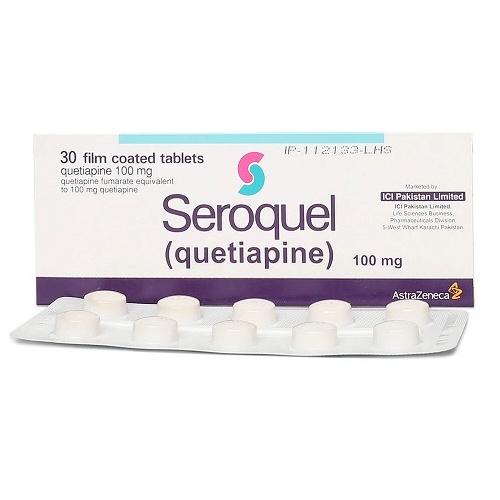
Seroquel (Quetiapine) in the United States: Comprehensive Guide for Safe and Effective Use
Direct Answer: Seroquel (quetiapine) is a prescription-only medication in the United States. It is illegal and unsafe to purchase Seroquel without a valid prescription from a licensed healthcare provider. Only obtain Seroquel from registered U.S. pharmacies or licensed telehealth services after proper medical evaluation.
Key Facts: Seroquel at a Glance (2026, United States)
| Parameter | Detail |
|---|---|
| Active Ingredient | Quetiapine fumarate |
| Prescription Required? | Yes |
| Most Common Uses | Schizophrenia, bipolar disorder, adjunct in major depressive disorder |
| Onset of Action | Within hours for agitation; several weeks for mood stabilization |
| Main Contraindications | Severe allergy to quetiapine, history of neuroleptic malignant syndrome, certain heart arrhythmias |
| Formulations Available | Immediate-release, extended-release tablets (25mg–400mg) |
| Typical Monthly Cost (2026, U.S.) | $25–$550 depending on dose, formulation, and generic vs. brand |
| Insurance Coverage | Widely covered by Medicaid, Medicare, and most private plans |
How Does Seroquel (Quetiapine) Work in the Body?
Seroquel’s active ingredient, quetiapine, is classified as an atypical antipsychotic. It acts primarily by antagonizing multiple neurotransmitter receptors in the brain:
- Dopamine D2 receptors: Reduces psychotic symptoms by blocking dopamine, which is often overactive in schizophrenia and bipolar disorder.
- Serotonin 5-HT2A receptors: Modulation helps with mood stabilization and reduces movement-related side effects common to older antipsychotics.
- Histamine H1 and alpha-1 adrenergic receptors: Explains Seroquel’s sedating effect and potential for causing drowsiness or orthostatic hypotension (sudden blood pressure drops when standing).
The net effect is a reduction in psychosis, stabilization of mood swings, and, at lower doses, augmentation of antidepressant effects. Quetiapine’s receptor profile means it also impacts sleep and anxiety, which is why it’s sometimes prescribed off-label for insomnia (though not FDA-approved for this).
Metaphor: Imagine Seroquel as a “circuit breaker” in the brain, dampening the overactive signals (dopamine and serotonin) that can cause hallucinations, mood swings, or racing thoughts. But as with any circuit breaker, shutting down too much can cause side effects—balance is everything.
Pharmacokinetics: Seroquel is metabolized primarily by liver enzyme CYP3A4. Its half-life is about 6–7 hours for immediate-release and ~7 hours for extended-release, though effects last longer because of its receptor binding profile. Seroquel is eliminated mainly through the urine (73%), as inactive metabolites.
Does Seroquel require external triggers to work? No. It works independently, but response depends on individual brain chemistry and diagnosis.
Myth: Seroquel instantly “fixes” mood or psychosis.
Reality: For mood disorders, it may take 2–6 weeks for full benefit. Immediate effects (like sedation) do not reflect therapeutic improvement.
Expert Commentary from doctor
In my experience as a psychiatrist, one of the most frequent misconceptions about Seroquel is that its sedative effect means it’s “working” for every mental health condition. Patients sometimes request it solely for sleep, unaware that long-term use for insomnia at low doses isn’t evidence-based and can lead to unwanted side effects like weight gain or metabolic changes. Another issue I encounter is abrupt discontinuation—some stop Seroquel suddenly if they feel better, risking withdrawal symptoms or relapse. It’s essential to understand that Seroquel addresses symptoms, not underlying causes, and should be seen as part of a comprehensive treatment plan including therapy and lifestyle modifications.
Dosage and Administration: How to Use Seroquel Safely
Always follow your doctor’s instructions. Doses must be individualized based on diagnosis, age, and other health conditions. The following are standard U.S. clinical guidelines (2026):
- Schizophrenia (Adults):
- Typically starts at 50 mg twice daily (immediate-release) or 300 mg once daily (extended-release), increasing over several days to a therapeutic range of 300–800 mg/day.
- Bipolar Mania:
- Initial 100 mg at bedtime, increasing up to 400–800 mg/day in divided doses or as once-daily extended-release.
- Bipolar Depression:
- Usually 50 mg at bedtime on day 1, titrating to 300 mg by day 4.
- Adjunct in Major Depressive Disorder (MDD):
- Extended-release: start at 50 mg nightly, may increase to 150–300 mg.
- Maximum Daily Dose:
- 800 mg (for schizophrenia or mania); do not exceed unless specifically directed by a psychiatrist.
- Elderly or Liver Impairment:
- Start at lower doses (25 mg/day) and titrate slowly due to increased risk of sedation and side effects.
- Tablet Splitting:
- Immediate-release tablets may be split; extended-release tablets must not be crushed, chewed, or split.
- Onset/Duration:
- Some calming effects may be noticed within hours; psychiatric stabilization can take weeks. Half-life ~7 hours, but effects last longer due to receptor binding.
- Missed Dose:
- If you miss a dose, take it as soon as remembered unless it’s close to your next scheduled dose. Never double up.
Do not change your dose or stop Seroquel suddenly without consulting your provider; withdrawal symptoms or relapse can occur.
Food, Alcohol, and Lifestyle Interactions: What to Know With Seroquel
- Food: Seroquel (immediate-release) can be taken with or without food. Extended-release should be taken without food or with a light meal (under 300 calories) for best absorption. High-fat meals can delay absorption by up to 1–2 hours but do not reduce total effect.
- Alcohol: Strictly avoid alcohol while taking Seroquel. Even small amounts dramatically increase drowsiness, slow reaction time, and raise the risk of accidental overdose or respiratory depression.
- Grapefruit & Grapefruit Juice: Do not consume grapefruit or grapefruit juice—it inhibits CYP3A4, raising Seroquel levels in your blood, which can increase side effects or toxicity.
- Caffeine: No clinically significant interaction, but excessive caffeine may worsen anxiety or insomnia, counteracting Seroquel’s sedative properties.
- Driving and Machinery: Seroquel may impair mental and motor skills. Do not drive or operate heavy machinery until you know how it affects you.
Who Should NOT Take Seroquel? Absolute and Relative Contraindications
Absolute Contraindications (Never take):
- Known severe allergy to quetiapine or any component of the formulation.
- History of neuroleptic malignant syndrome (NMS) triggered by quetiapine or related drugs.
- Current use of potent CYP3A4 inhibitors (e.g., ketoconazole, ritonavir) without medical supervision.
- Currently in a coma or severe CNS depression.
Relative Contraindications (Use with caution, require close monitoring):
- Severe cardiovascular disease (recent heart attack, uncontrolled arrhythmias, history of QT prolongation).
- Uncontrolled epilepsy or history of seizures.
- Severe liver or kidney impairment.
- Diabetes, prediabetes, or significant metabolic risk (Seroquel may increase blood sugar and cholesterol).
- Elderly patients with dementia-related psychosis (increased risk of stroke and death; not FDA-approved for this use).
- Pregnancy and breastfeeding (use only if benefits outweigh risks).
How soon after a heart attack? No specific timeline—initiation only under direct supervision by a cardiologist and psychiatrist.
| Product/Drug | Can It Be Combined? | Consequences |
|---|---|---|
| SSRIs (e.g., sertraline) | Usually Yes | May increase risk of serotonin syndrome (rare) |
| Benzodiazepines | Yes, with caution | Increased sedation, fall risk |
| CYP3A4 inhibitors (e.g., ketoconazole, certain HIV meds) | No | Dangerous Seroquel buildup in blood |
| Alcohol | No | High risk of sedation, coma |
| Opioids | No | Respiratory depression risk |
What Side Effects Are Most Common with Seroquel? Clinical Risk Profile
Very Common (>1 in 10):
- Drowsiness, sedation (linked to histamine blockage)
- Dizziness (especially when standing suddenly)
- Dry mouth
- Weight gain
- Increased appetite
Common (1 in 100 to 1 in 10):
- Constipation
- Orthostatic hypotension (drop in blood pressure when standing up)
- Increased blood sugar (hyperglycemia)
- Raised cholesterol or triglycerides
- Agitation or anxiety
- Extrapyramidal symptoms (mild tremor, restlessness)
Rare (1 in 10,000 to 1 in 1,000):
- Seizures
- Priapism (painful, prolonged erection)
- Severe allergic reactions (swelling, rash)
- Neuroleptic Malignant Syndrome (NMS)—life threatening
- Severe arrhythmias (QT prolongation)
Very Rare (<1 in 10,000):
- Liver failure
- Pancytopenia (low blood counts)
- Sudden vision changes or blurred vision (cataracts)
If any of the following occur, seek emergency care:
- Fever with muscle stiffness (possible NMS)
- Severe chest pain, palpitations, or fainting
- Swelling of face, lips, or tongue (anaphylaxis)
- Unexplained, persistent erection
Common Patient Mistakes Observed by doctor
-
Stopping Seroquel abruptly due to feeling “better” or unwanted drowsiness. This can trigger withdrawal symptoms (insomnia, anxiety, nausea) or relapse of the underlying disorder.
How to avoid: Always taper under medical supervision. -
Using Seroquel solely as a sleep aid at low doses without psychiatric indication. While sedating, chronic use for sleep is not supported by research and risks weight gain/metabolic effects.
How to avoid: Discuss safer sleep strategies with your doctor. -
Combining Seroquel with alcohol or illicit substances. Can unpredictably increase sedation and raise the risk of coma or respiratory depression.
How to avoid: Abstain from all alcohol and unapproved substances. -
Splitting or crushing extended-release tablets. This ruins the time-release mechanism, causing dangerous blood level spikes.
How to avoid: Never modify tablets unless your pharmacist confirms it’s safe. -
Failing to monitor blood sugar and cholesterol. Seroquel can worsen metabolic profiles, especially in those with diabetes risk.
How to avoid: Get periodic lab checks (fasting glucose, lipids) as directed.
Bottom line: Always consult your healthcare provider before making changes to your medication regimen.
Seroquel vs. Alternatives: How Does It Compare?
| Drug | Typical Indications | Onset | Duration | Most Notable Side Effect | Estimated Monthly Price (2026, U.S.) |
|---|---|---|---|---|---|
| Seroquel (Quetiapine) | Schizophrenia, bipolar disorder, adjunct depression | Hours to weeks (depending on effect) | 12–24 hrs (IR), 24+ hrs (XR) | Sedation, weight gain, metabolic changes | $25–$550 |
| Risperdal (Risperidone) | Schizophrenia, bipolar disorder | Several days to weeks | ~24 hrs | Movement disorders (EPS), prolactin elevation | $30–$350 |
| Abilify (Aripiprazole) | Schizophrenia, bipolar, depression adjunct | Days to weeks | ~75 hrs (long half-life) | Akathisia (restlessness), less sedation | $35–$600 |
| Zyprexa (Olanzapine) | Schizophrenia, bipolar disorder | Days to weeks | ~30 hrs | Weight gain, metabolic risk | $30–$420 |
In short: Seroquel is often preferred for patients needing sedation or with intolerance to other antipsychotics’ movement side effects. It is less likely than risperidone to cause movement disorders, but more likely to cause drowsiness and weight gain compared to aripiprazole. Always discuss the best option for your unique situation with your provider.
Questions Frequently Asked to doctor
- Is Seroquel safe for long-term use?
- When properly monitored, Seroquel can be used safely for months or years. However, it requires periodic checks of weight, blood sugar, cholesterol, and mental status. Long-term risks include metabolic syndrome and tardive dyskinesia, though the latter is less common than with older antipsychotics.
- What should I do if I miss a dose?
- If you miss a dose, take it as soon as you remember unless it’s almost time for your next dose. Never double up. If in doubt, call your provider or pharmacist.
- Can Seroquel be combined with antidepressants or other psychiatric medications?
- Yes, Seroquel is often combined with SSRIs or other antidepressants, especially in major depressive disorder. However, all combinations should be managed by a qualified prescriber due to interaction risks.
- Is it safe to drink alcohol while taking Seroquel?
- No. Alcohol can dangerously enhance Seroquel’s sedative effects and increase risk of falls, accidents, or overdose. Even small amounts should be avoided.
- Is Seroquel habit-forming or addictive?
- Seroquel is not considered addictive in the classic sense, but abrupt withdrawal can produce symptoms. Some people may develop psychological reliance if misused for sleep.
- Can children or older adults take Seroquel?
- Seroquel is FDA-approved for children 10 years and older for bipolar mania and for certain adolescent schizophrenia cases. Dosing is lower for children and elderly; side effects are more common in older adults.
- Is it okay to stop Seroquel if I feel better?
- No. Only stop or adjust under medical supervision. Stopping suddenly can cause withdrawal or relapse.
Seroquel Key Characteristics (Quick Reference Table)
| Parameter | Value |
| Active substance | Quetiapine fumarate |
| Formulation | Tablets (IR, XR), 25–400mg |
| Peak plasma time | 1.5 hrs (IR), 6 hrs (XR) |
| Metabolism | Liver (CYP3A4 enzyme) |
| Elimination | Urine (73%), feces (20%) |
| Half-life (T1/2) | ~7 hours |
| Insurance coverage | Widely covered |
How to Obtain Seroquel Legally in the United States: Step-by-Step Guide
- Consultation: Schedule an appointment with a licensed psychiatrist, primary care provider, or use a legitimate U.S.-based telehealth service. In New York, Chicago, Los Angeles, and other cities, both in-person and online consultations are legally available.
- Comprehensive Evaluation: Complete a mental health assessment. Providers follow U.S. standards (DSM-5-TR criteria) to determine diagnosis and need for Seroquel.
- Prescription Issued: If indicated, a secure electronic prescription (eRx) is sent directly to your U.S. pharmacy of choice. Paper prescriptions are rare but still valid where accepted.
- Pharmacy Fulfillment: Pick up your medication at a local or mail-order pharmacy registered with the NABP .Pharmacy program.
- Ongoing Monitoring: Schedule periodic follow-up visits (virtual or in-person) and routine lab tests as advised by your provider.
Is It Legal to Buy Seroquel Online in the U.S.? Understanding the Law
Short answer: Yes—if you have a valid prescription and use a certified U.S. online pharmacy. Many reputable telehealth providers and online pharmacies now offer Seroquel with proper documentation. Look for the NABP .Pharmacy seal and ensure the pharmacy is licensed in your state.
Never purchase Seroquel from websites that do not require a prescription or that ship from outside the U.S. These sources may provide counterfeit products, which can be dangerous or life-threatening. U.S. customs may seize such shipments, and you may face legal consequences.
- Prescription Requirement: Not “just bureaucracy”—it protects you from dangerous drug interactions, inappropriate use, and counterfeit products.
- Insurance Reimbursement: Only pharmacies following U.S. law can process insurance payments for Seroquel.
How to Spot Counterfeit Seroquel and Save Money with Generics
- Blister packs or bottles with “AstraZeneca” or generic manufacturer (e.g., Teva) logo
- Tablet color, shape, and markings match FDA-approved images (e.g., peach, round, scored for 25mg; white, capsule-shaped for XR forms)
- Lot number and expiration date clearly printed
- Tamper-evident seal and packaging
- May have QR code or hologram for pharmacy verification
- Package insert in English with FDA approval info
- Unusually low price (e.g., less than $15 for a month’s supply)
- Packaging in a foreign language or missing manufacturer info
- No lot number or expiration date
- Crumbled, chipped, or misshapen tablets
Generic quetiapine is bioequivalent to Seroquel, meaning it contains the same active ingredient and is held to strict FDA standards. Inactive ingredients (“excipients”) may vary:
- Some generics use different fillers, coloring agents, or binders
- Allergies to excipients are rare but possible—check with your pharmacist if you have reactions to dyes or preservatives
- Choosing a generic can save you 60–90% versus brand-name Seroquel, with no loss of effectiveness
What to Do in Case of Seroquel Overdose?
- Stop taking Seroquel immediately.
- Call 911 or your local emergency number. Describe the situation clearly: the medication, the amount taken, and the person’s symptoms.
- Stay with the patient—do not try to induce vomiting unless instructed.
- Take the medication bottle/packaging with you to the hospital—ER staff will need this information.
- Follow all instructions from emergency personnel.
Professional Opinion of doctor
In my clinical practice, Seroquel has proven most beneficial for adults and adolescents with schizophrenia, bipolar disorder (both manic and depressive episodes), and as an adjunct in treatment-resistant depression. Its utility in specific cases of severe insomnia or anxiety should be weighed carefully against long-term metabolic and cardiovascular risks. Seroquel’s sedative effects can be helpful for patients with severe agitation, but they also increase risks for falls and weight gain. Patients with significant metabolic risk factors, cardiac history, or those who are elderly require careful monitoring or may be better suited for alternatives like aripiprazole or non-pharmacologic interventions. Ultimately, Seroquel is not a “cure”—it manages symptoms, and works best as part of a comprehensive care plan including therapy, social support, and regular medical follow-up.
Managing Mental Health: A Note on Support and Stigma
If you are struggling with symptoms of schizophrenia, bipolar disorder, or depression, you are not alone. Millions of Americans face similar challenges every year. Mental health conditions are common and treatable. Seeking help is a sign of strength—whether through medication, therapy, or support groups. Consider discussing your concerns with family, friends, or a qualified mental health professional.
FAQ: Your Seroquel Questions Answered
- Can Seroquel be used daily?
- Yes, Seroquel is typically prescribed for daily use. Dosage and schedule depend on your diagnosis and doctor’s recommendation.
- Is a prescription required for Seroquel in the United States?
- Yes, Seroquel is available by prescription only in the U.S. Obtaining it without a prescription is illegal and dangerous.
- How long does it take for Seroquel to work?
- Sedative effects may be noticed within hours; symptom improvement for mood or psychosis may take 2–6 weeks.
- What should I do if I experience severe side effects?
- Contact your doctor immediately or go to the nearest emergency room if you have symptoms like severe drowsiness, heart palpitations, or allergic reactions.
- Can Seroquel be taken with other psychiatric medications?
- Yes, but combinations should always be managed by a qualified provider due to potential interactions.
- Is Seroquel covered by insurance?
- Most Medicaid, Medicare, and private insurance plans cover Seroquel and its generics with a valid prescription.
- What is the typical cost of Seroquel?
- Monthly cost ranges from $25 (generic) to $550 (brand-name), depending on dose and insurance coverage.
- Are there generic alternatives to Seroquel?
- Yes, generic quetiapine is widely available in the U.S. and is equally effective and safe when sourced from reputable pharmacies.
- Can Seroquel be stopped suddenly?
- No. Sudden discontinuation can cause withdrawal or symptom rebound. Dose should be tapered under medical supervision.
- Is it legal to order Seroquel online?
- Only through certified U.S. online pharmacies with a doctor’s prescription. Avoid sites that do not require prescriptions.
References
- U.S. Food & Drug Administration (FDA), “Seroquel (quetiapine) Label Information”, accessed June 2026. https://www.fda.gov/
- American Psychiatric Association, “Practice Guideline for the Treatment of Patients with Schizophrenia – 2024 Update”, accessed June 2026. https://www.psychiatry.org/
- Mayo Clinic, “Quetiapine (Oral Route) – Description and Brand Names”, accessed June 2026. https://www.mayoclinic.org/drugs-supplements/quetiapine-oral-route/description/drg-20066912
- National Alliance on Mental Illness (NAMI), “Quetiapine (Seroquel)”, accessed June 2026. https://www.nami.org/
- ClinicalTrials.gov, “Studies involving Quetiapine”, accessed June 2026. https://clinicaltrials.gov/
- PubMed, “Recent Publications on Quetiapine/Seroquel”, accessed June 2026. https://pubmed.ncbi.nlm.nih.gov/
- National Association of Boards of Pharmacy, “.Pharmacy Verified Websites”, accessed June 2026. https://nabp.pharmacy/programs/dotpharmacy/
- AstraZeneca Pharmaceuticals, “Seroquel (quetiapine fumarate) package insert”, 2026 update. https://www.astrazeneca-us.com/
Recent Comments